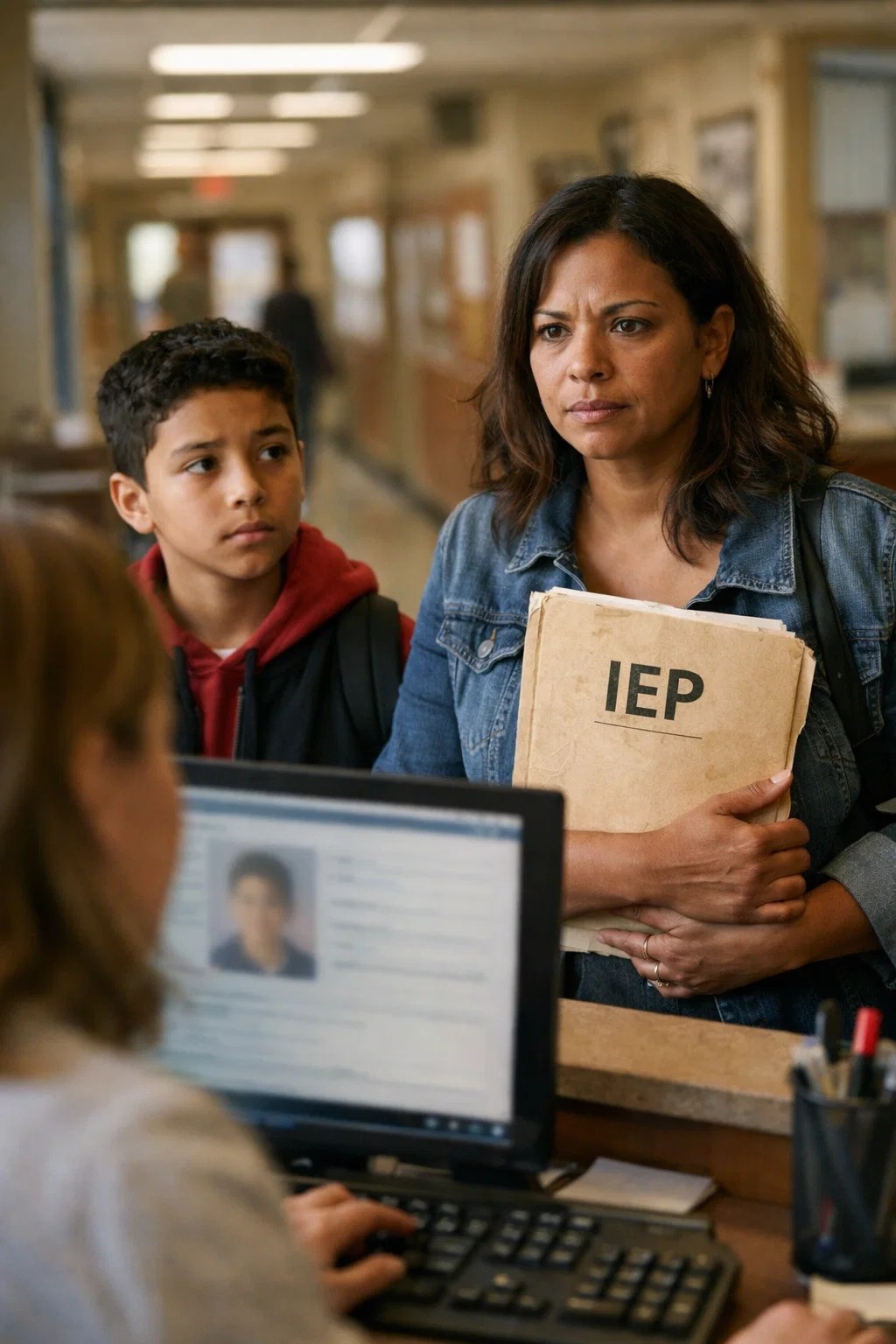
IEP data transfers rarely fail because the “API broke.” They fail because identity breaks first. When a transferring student lands in the receiving district’s systems, the question is simple, is this the same student or a different one? If the answer is uncertain, the database does what databases do, it creates a new record. That single moment creates a chain reaction, duplicated minutes, missing accommodations, transportation errors, Medicaid billing rejections, and compliance timelines built on incomplete context. The solution is not another platform. The solution is deciding what your source of truth is, usually the SIS, then implementing a crosswalk that maps the canonical StudentID to every other system’s identifier. Pair that with matching rules that prioritize stable identifiers, automation for high confidence matches, and a review queue for uncertainty. Clean identity is not paperwork, it is protection.
Tag: technology
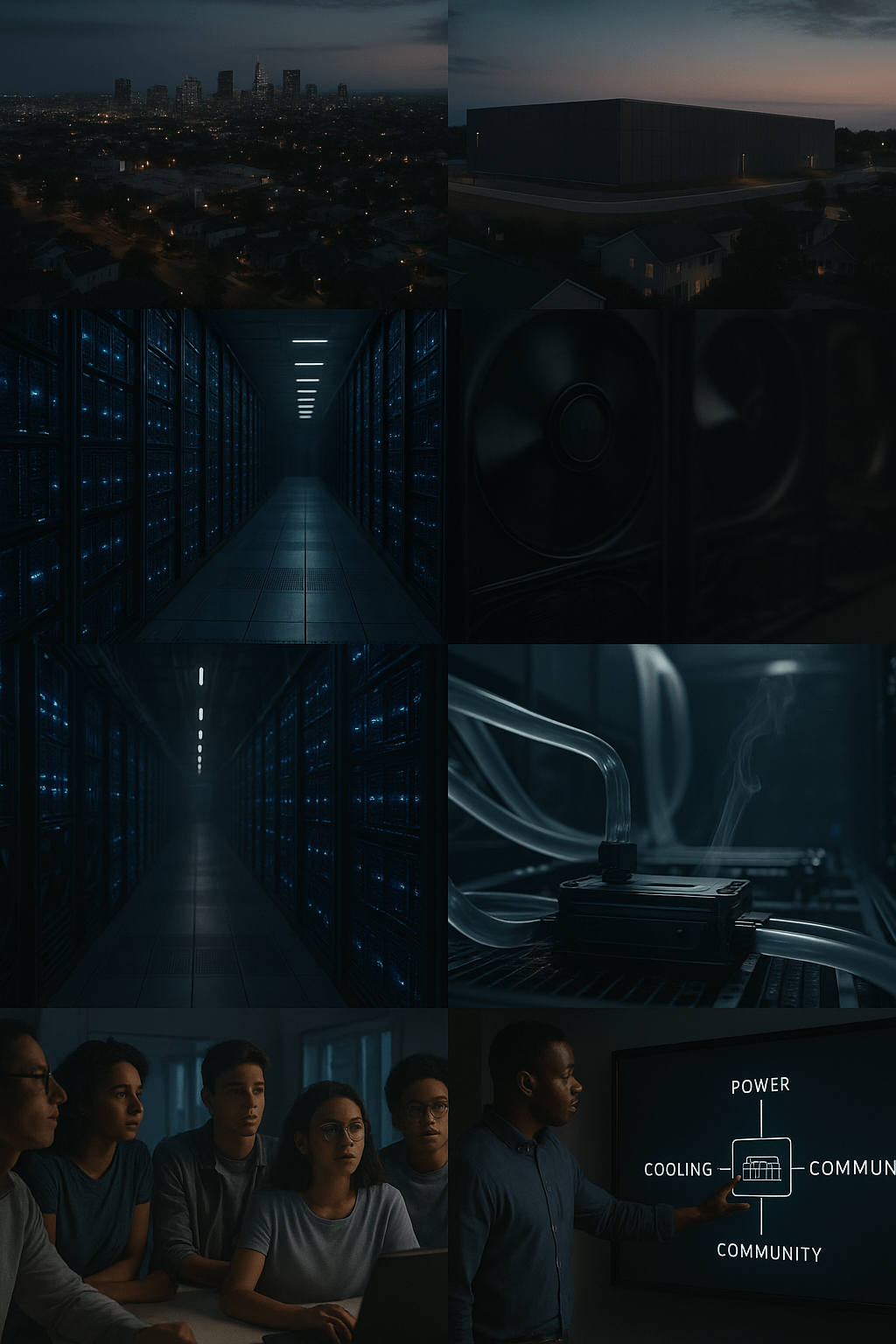
Liquid Cooling, AI, And The Quiet Battle Over Who Owns Tomorrow
Liquid cooling for AI data centers is not just an engineering upgrade. It is a turning point in how power, technology, and opportunity are distributed. In this piece, I break down how AI infrastructure connects to education, Special Education, and the long fight to make sure our communities do not get left out of the future once again.
From “Wait To Fail” To “Teach First”: Why Washington’s SLD Shift Matters For Our Kids
Washington is finally moving away from a model that labeled children off a test score gap and toward one that asks a simple question first: how were they taught. For students who were pushed into Special Education because of discipline, bias, or adult frustration, this shift is a chance to stop hiding harm inside an SLD label and start telling the truth with instructional data. Thoughts Cost has been calling for this since Covid, when it became obvious that you cannot call it a disability if a student never had a real shot at learning.
Rigor Is Love for Black Students With Disabilities
Rigor is love. Black students with disabilities deserve grade-level instruction, weekly wins, and tutoring that responds to real data. Lowered expectations protect adults. High expectations with support protect futures.
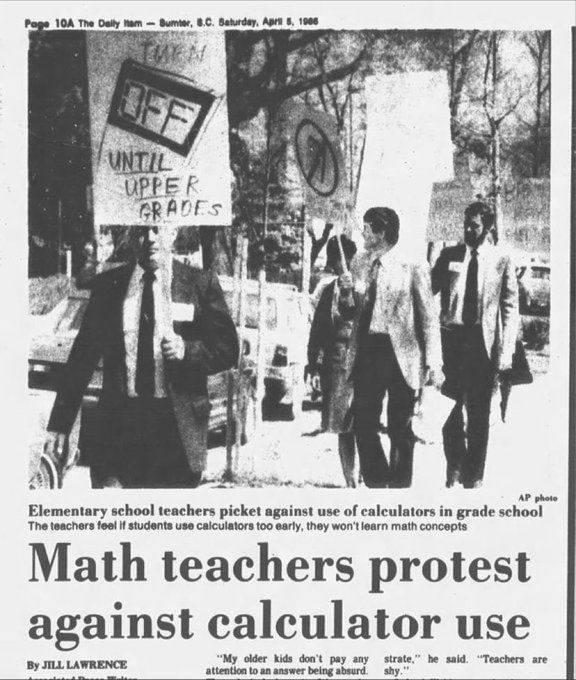
Should Teachers Allow Students To Use ChatGPT? Yes, With Purpose, Guardrails, And Age-Appropriate Scaffolds
Teachers should allow ChatGPT with purpose and guardrails. Use it for brainstorming, reading support, feedback, and study help, not to produce final drafts. Start with teacher-led demos in K to 2, guided small-group use in grades 3 to 5, limited independent use with checks in grades 6 to 8, and accountable independent use in grades 9 to 12 and college. Keep equity, privacy, and visible thinking at the center.
When the Dream Costs More Than Money: VEqual, ReadEase, and the AI IEP Assistant
Over the past three years, I have invested one hundred seventy-five thousand dollars of my own money into building educational technology solutions designed to close gaps that harm students with disabilities. From VEqual, an immersive virtual school that began as a science lab, to ReadEase, an AI-powered reading tutor, to the AI IEP Assistant that helps teachers focus on delivering services rather than just writing plans, these tools were built to create real change. This is not a story of failure. This is a call for partners who believe in equity, inclusion, and innovation in special education.
Four Years of Thoughts Cost: A Journey from One Student to Statewide Impact
Tomorrow marks four years since Thoughts Cost began with one student and a mission to create meaningful change during the uncertainty of the pandemic. From humble beginnings with no plan or income, we have grown into a movement that builds programs, develops EdTech tools, and secures state-level contracts to empower students, families, and educators. This journey has been defined by resilience, creativity, and a commitment to equity and inclusion.
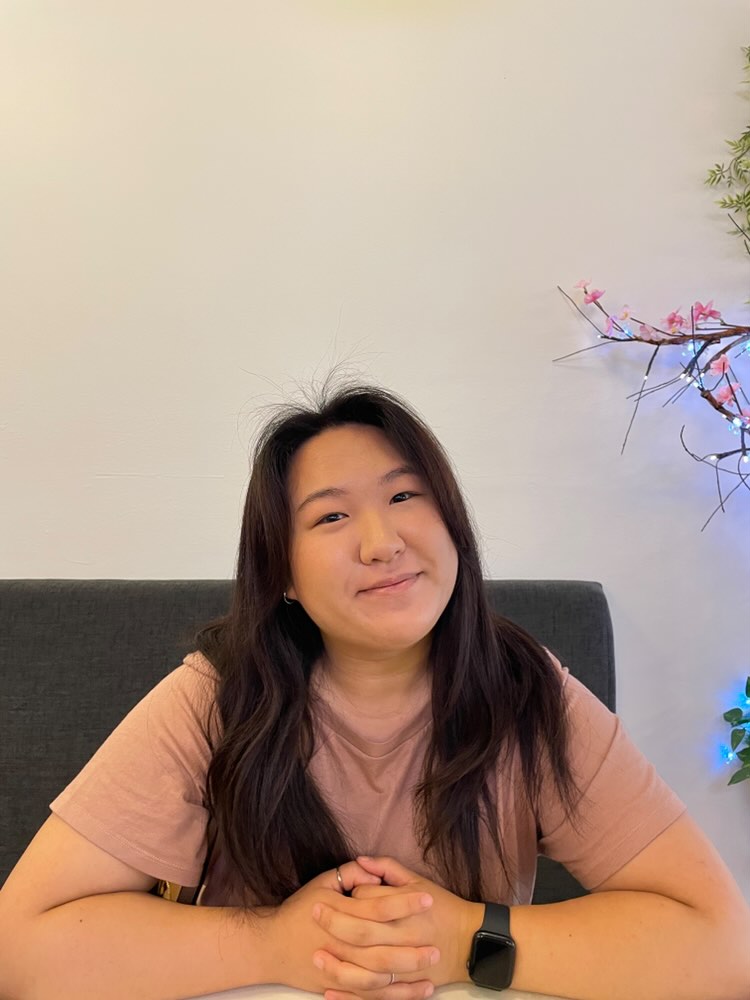
Teacher Feature – Grace Kim: Championing Inclusive Education
Grace Kim, an early childhood educator at Lea Hill Elementary, champions inclusive education for preschoolers. Inspired by a deep-rooted desire to advocate for those without a voice, she has significantly impacted her students' lives through innovative teaching and a commitment to community engagement. Celebrate Grace's dedication to creating a more inclusive and supportive learning environment for all.
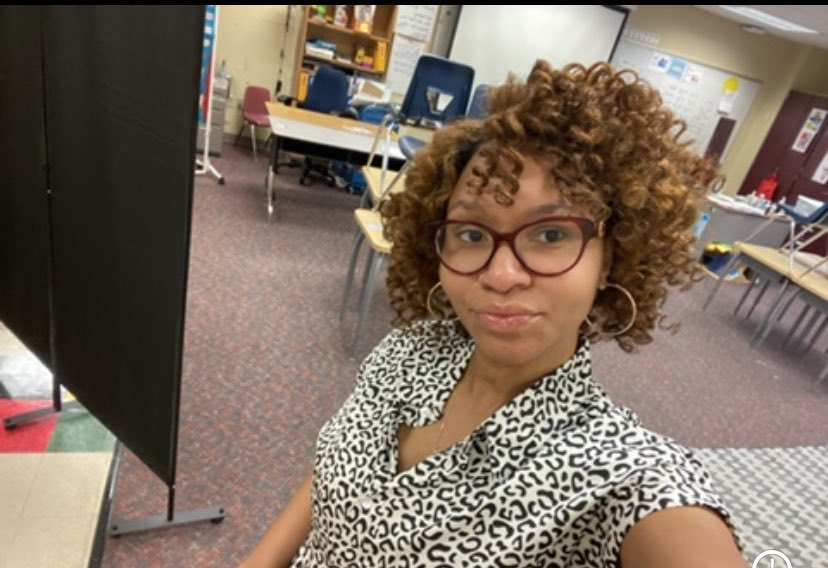
Teacher Feature: Celebrating Khadijah Putney-Blanton: A Beacon of Light in Special Education
"I was blessed to be able to see ALL sides of teaching, even coming in on weekends to my mama’s school to help her prep for the week. Of course, I saw the challenges too but to see the joy that you can put on a child’s face made it all meaningful."
Spotlight on Excellence – Celebrating Ibijoke Idowu-Holiday’s Impactful Journey in Education
Ibijoke Idowu-Holiday's journey from a young tutor to a special education teacher in Seattle Public Schools showcases her unwavering dedication to equitable education. Her innovative use of assistive technology and commitment to family and community involvement highlight her approach to inclusive learning. Ibijoke's advocacy for high expectations and equitable opportunities for all students, especially those marginalized, underlines the transformative power of education. Her story is a beacon of inspiration, urging us to support and celebrate the profound impact of dedicated educators.