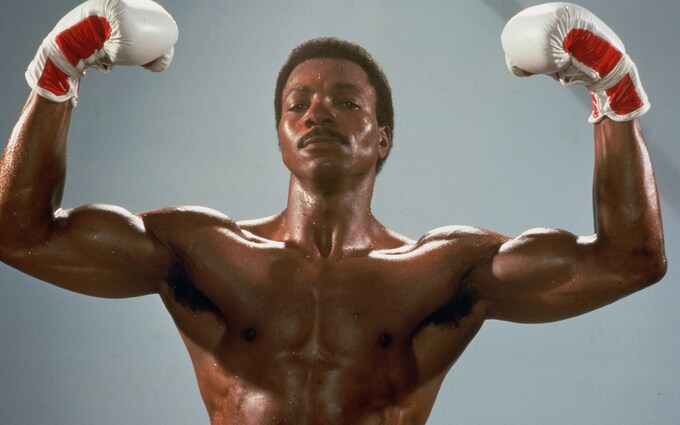


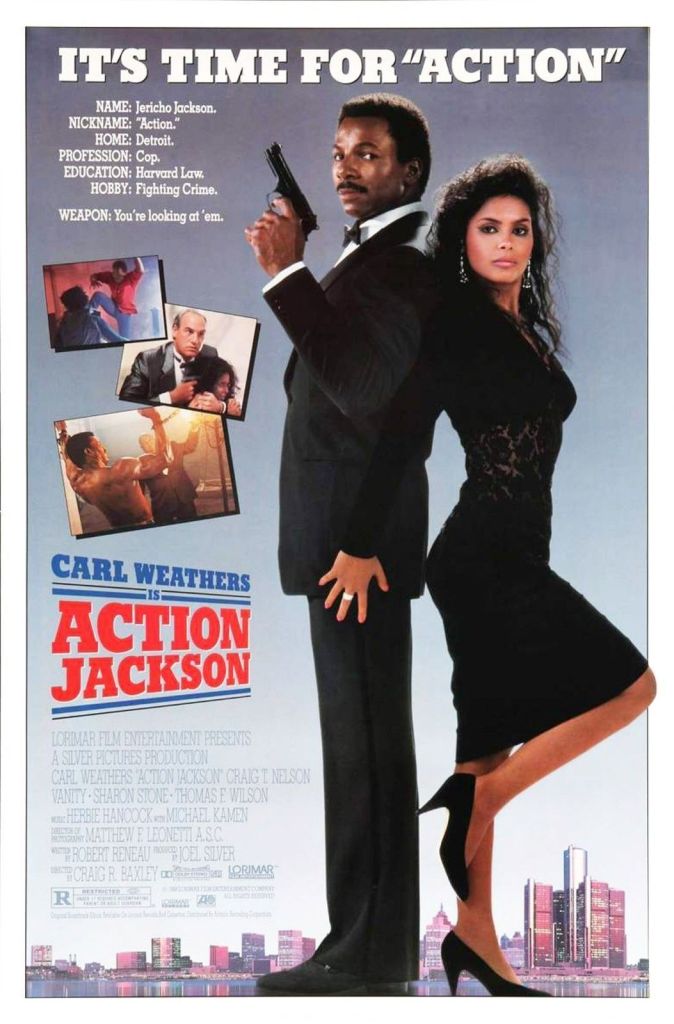
As we reflect on the legacy of Carl Weathers, whose passing has left a palpable void in the hearts of many, it’s crucial to recognize his significance beyond the screen. For someone like myself, a Black man born in the early ’80s, Weathers was more than just an actor; he was a symbol of Black masculinity and excellence in an era dominated by a particular brand of action hero.
In a time when Hollywood’s portrayal of heroes was overwhelmingly white, with figures like Arnold Schwarzenegger, Sylvester Stallone, and Jean-Claude Van Damme reigning supreme, Carl Weathers carved out a space for Black talent in action cinema. His roles as Action Jackson and Apollo Creed weren’t just performances; they were statements. Through Apollo Creed, Weathers presented a Black character that was confident, strong, and undeniably skilled—traits that resonated with many in the Black community.
Watching “Rocky,” it was hard for me, and undoubtedly for many others, to ever truly believe that Rocky could defeat Apollo Creed. Weathers imbued Creed with such depth and prowess that the character transcended the narrative of the underdog story. He was not just a stepping stone for Rocky’s journey but a hero in his own right, embodying the excellence and determination found within our community.
Similarly, in “Predator,” despite the film’s ensemble cast featuring the likes of Arnold Schwarzenegger, it was Weathers’ portrayal of Dillon that captured the imagination. The iconic arm-wrestling handshake between Dillon and Schwarzenegger’s Dutch was more than a display of machismo; it was a cinematic moment that highlighted Weathers’ presence and strength, holding his own against the titans of action cinema.
Carl Weathers’ impact extends beyond his physical prowess on screen. He represented a form of Black manhood that was multi-dimensional, challenging, and redefining stereotypes. In roles that could have easily been one-dimensional, Weathers brought complexity and humanity, making his characters memorable and inspirational.
Off-screen, Weathers’ career path also serves as a beacon of inspiration. Transitioning from professional football to acting, his journey reflects the multifaceted talents of Black individuals, challenging the societal confines that often limit our aspirations. His dedication to his craft and his ability to break barriers in a predominantly white industry remind us of the importance of representation and the impact of seeing someone who looks like us achieving greatness.
As we mourn the loss of Carl Weathers, we also celebrate his legacy. He was a trailblazer, a role model, and an icon of Black excellence. His contributions to cinema and his portrayal of strong, complex Black characters have left an indelible mark on the industry and on the hearts of those who found in him a reflection of their aspirations and potential.
Carl Weathers was more than just an action hero; he was a representation of the strength, resilience, and complexity of Black manhood during a pivotal time in our cultural history. His legacy will continue to inspire future generations, reminding us of the power of representation and the importance of carving out our space in a world that often overlooks our contributions. Carl Weathers, thank you for being a beacon of strength and excellence. Your legacy will forever live on.

