

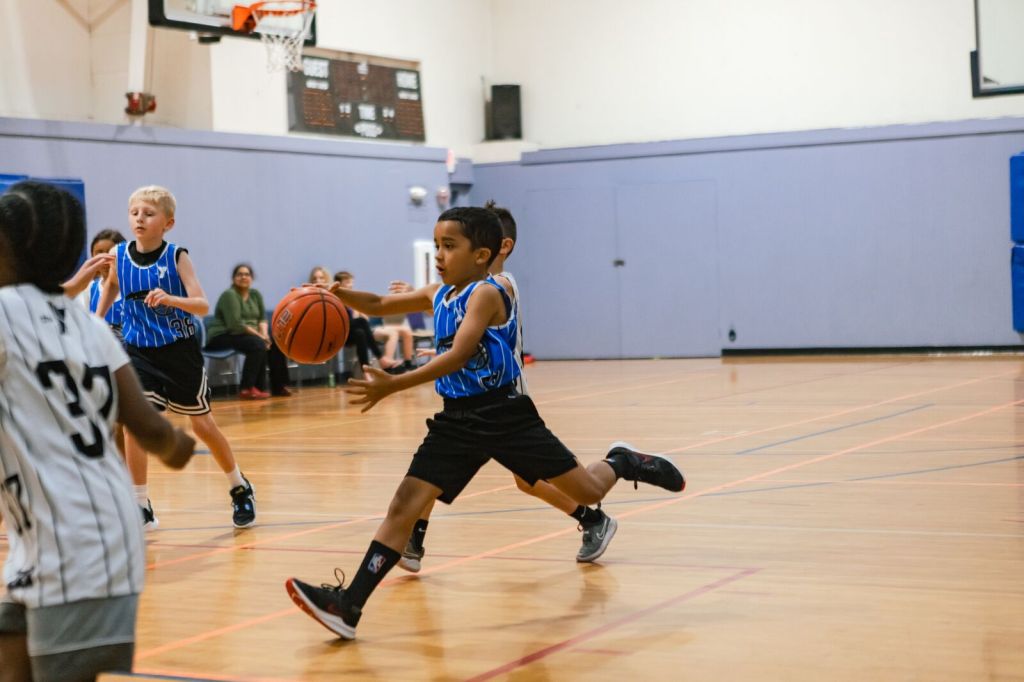
Basketball has always been the sport of opportunity. All you needed was a ball, a hoop, and the drive to play. If you had those things, you had a chance. Now, the game is shifting. Your chances are shrinking if you do not have money or the right connections.
This is not to say that trainers should not be paid for their work. There are great trainers out there who genuinely care about the kids and do right by them. The problem is not that people are making a living through basketball. The problem is that we have created industries around youth basketball that benefit adults more than kids.
You still get opportunities if you know hoopers, have a parent who played, or are plugged into the right circles. What about the kid who does not know NBA players or does not have a family member who hooped? Where do they go?
The Cost of Development
It used to be that if you wanted to get better, you could find a Late Night run, an early morning workout with a coach who just wanted to help, or a local rec center where older players made sure young hoopers learned the game the right way. Those spaces built players. They provided mentorship, competition, and development without a price tag.
Now, everything comes with a cost.
- Trainers charge hundreds per month for skill development.
- AAU teams require thousands to be on the roster, not including travel and gear.
- Gyms charge fees to get shots up.
- Recruiting services promise exposure for a price.
This is where the game has changed. I had coaches who worked with me for free when I was coming up. That does not mean there were not people who tried to exploit kids back then, but the game was much more accessible. I would not have received a scholarship under today’s system.
The Problem With “Pay to Play”
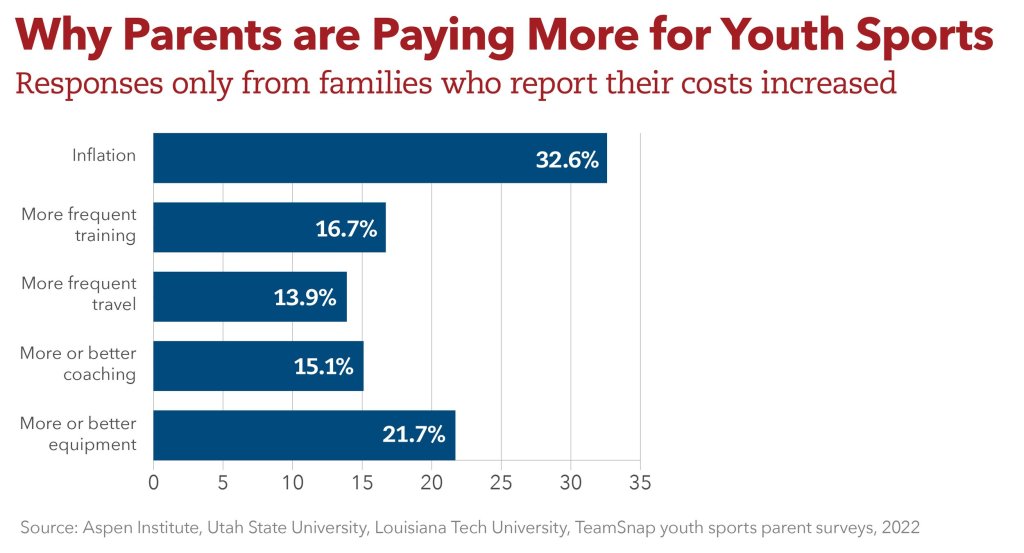
Some will say this is just the way things are now: elite training costs money, travel ball is expensive but necessary, and trainers and coaches need to make a living. Those things may be accurate but do not tell the whole story.
Basketball was never supposed to be about money.
The best players did not become great because their parents wrote big checks. They got better because they had access to the game. They had places to play. They had older players who looked out for them. They had coaches who cared more about their development than about making a profit.
If we continue, basketball will no longer be about talent. It will be about who can afford the opportunity.
Keeping the Game Accessible
We need to ask ourselves, who is really benefiting from youth basketball? Too often, the system is set up to ensure adults get paid first while kids and their families carry the financial burden. We have created an economy around the game that often takes more than it gives back.
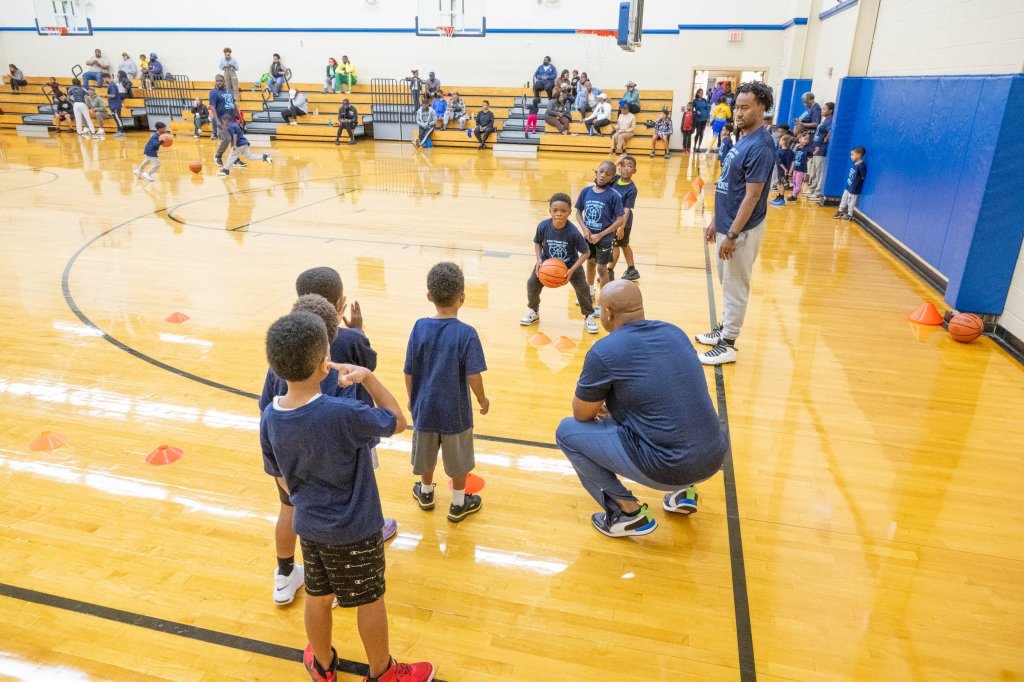
That does not mean trainers and coaches should work for free. It means we must create more spaces where kids can develop without deep pockets. We need community-based training, open gyms, and opportunities that do not come with a price tag. This could be achieved through community initiatives, sponsorships, or government support for youth sports programs.
The best hoopers should not be the ones with the most money. They should be the ones who put in the work, who dedicate themselves, and who love the game.
If we keep pricing kids out, we are not just losing talent. We may be losing the next generation of players, leaders, and kids who need a place to belong. This could lead to a lack of diversity in the sport, a decrease in the number of players, and a loss of the values that basketball instills in young people.
 Thoughts Processed