

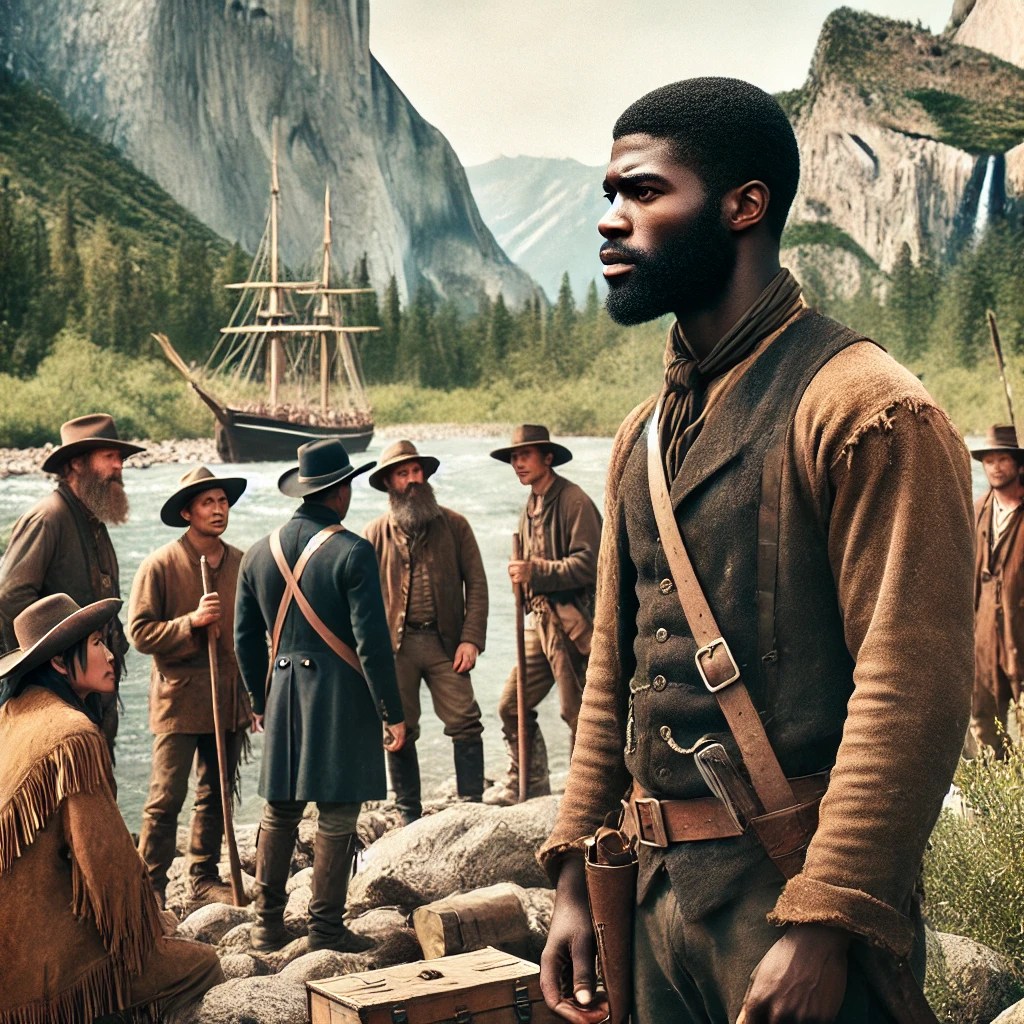
The story of Black men in America’s military history is one of contradiction, sacrifice, and survival in a nation that has always demanded their service but rarely honored their humanity. From York, the enslaved man who stood beside Lewis and Clark in the early days of westward expansion, to the Buffalo Soldiers who patrolled the frontier, Black men have been pioneers and pawns in America’s relentless push for power.
For many, military service was a chance to prove their worth in a country that had denied them personhood. Others saw it as a bitter compromise that forced them into battles that did not serve their interests. Some understood that the uniform did not bring freedom and chose a different path.
York – The Forgotten Pioneer of American Expansion
Before the Buffalo Soldiers and before the U.S. Army sent Black men to secure the frontier, York played a pivotal role in shaping American history. He was the only Black man on the famed Lewis and Clark Expedition, but not by choice. As an enslaved man, he was forced to accompany William Clark on a journey that would be celebrated as a triumph of American exploration.
York’s contributions were indispensable. He hunted for food, traded with Indigenous tribes, and endured the same grueling conditions as his white counterparts. Indigenous nations, unfamiliar with Black men, reportedly regarded him with reverence. Lewis and Clark could not survive the journey without York! Unlike the other members of the expedition, he received no compensation for his service. While others were rewarded with land and money, York remained enslaved. When he later asked for his freedom, Clark refused.
His contributions helped pave the way for America’s westward expansion, which would lead to the near-total genocide of Indigenous nations. His role in the expedition was critical to its success, yet he was never granted the fundamental rights afforded to white men. His story reflects the contradiction defining Black men’s service in the U.S. military.
The Buffalo Soldiers – Warriors for a Nation That Betrayed Them

Decades later, another group of Black men found themselves entangled in a similar paradox. After the Civil War, the United States formed all-Black regiments in the military, including the 9th and 10th Cavalry and the 24th and 25th Infantry. These men became known as the Buffalo Soldiers, a name reportedly given to them by Indigenous tribes who respected their resilience and fighting ability.
For many newly freed Black men, military service provided one of the few viable paths to stability. The army offered steady pay, food, and shelter, along with a form of respect that was difficult to attain in a profoundly racist society. These soldiers fought in major conflicts, including the Indian Wars and the Spanish-American War. They were tasked with protecting settlers, securing railroads, and maintaining order on the Western frontier.
Despite their bravery and sacrifices, the Buffalo Soldiers were being used as instruments of American expansion. The U.S. government had freed them from slavery, yet now ordered them to fight Indigenous nations that were resisting the same white supremacy that had oppressed Black people. They were placed in a system where their survival depended on enforcing the very structures that had once dehumanized them.
This contradiction has haunted Black military service throughout history. Were these men fighting for their own freedom, or were they being used to uphold a system that had never fully embraced them? Some saw the answer clearly and chose another path.
The Ones Who Walked Away
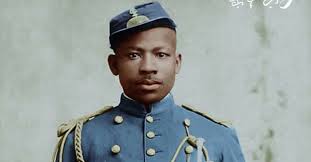
Many Buffalo Soldiers followed orders and continued serving, earning medals and gaining recognition for their contributions. Others saw the hypocrisy of their mission and refused to participate in the subjugation of other oppressed people.
Several Buffalo Soldiers deserted their posts and fled to Mexico, where they found refuge. In Mexico, they were not second-class citizens. They were not forced to uphold a system that did not serve them. Some were welcomed into Indigenous communities and married into local tribes. Others built new lives in Mexican villages, choosing exile over complicity.
One notable deserter was Samuel Johnson, a former Buffalo Soldier who fled to Mexico in the 1880s and assimilated into local society. Another soldier, Isaac Fisher, crossed the border seeking freedom and married into an Indigenous tribe. Perhaps the most famous of these men, David Fagen, defected during the Philippine-American War and fought alongside Filipino revolutionaries against the U.S. Army. His actions turned him into a symbol of resistance against American imperialism.
These men were not traitors. They were men who reclaimed their freedom on their terms.
The Cost of Loyalty
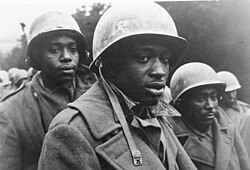
The Buffalo Soldiers who fled understood something many still struggle to accept. Loyalty to America has never guaranteed freedom for Black people. The same nation that sent them to fight in the West later sent Black soldiers to die in segregated units in World War I and II. It drafted them into Vietnam while denying them civil rights at home. It draped them in the flag while lynching them in the streets.
Those who stayed fought bravely, but bravery in service of oppression remains oppression. The ones who left saw a different path and acted on it.
What This Means Today
Their story is not just history. It is a challenge to the present.
Black soldiers still serve, still fight, and still die for a nation that has yet to fully embrace them. The same questions remain. What are we fighting for? Are we securing freedom, or are we still being used to maintain a system that does not prioritize our well-being?
The Buffalo Soldiers who fled to Mexico saw the game for what it was. They understood that serving America did not mean America would serve them. They remind us that we always have a choice, even when the world tells us we do not.
Final Question
If they could see us now, would they ask why so many still believe this system will ever love us back?
 Thoughts Processed
Mexico is well known as a neutral country. And for decades has been recognized to welcoming refuges and treat them as citizens.
LikeLiked by 1 person