
Educators often step into the classroom believing they are the ones doing the teaching. Students, however, have a way of offering new perspectives when teachers take the time to listen. One of the most valuable lessons I recently learned came from something as simple as an emoji.
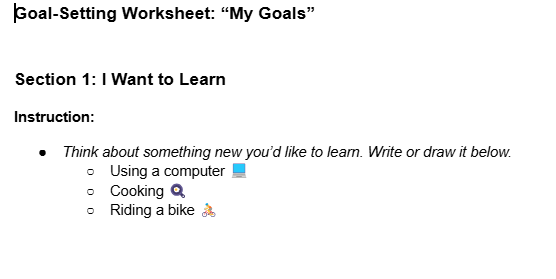
I am intentional about Universal Design for Learning (UDL). When I created a goal-setting worksheet for students in our ARISE program, I thought I was applying UDL by allowing them to write or draw their responses. It did not dawn on me that I had unintentionally provided another way for them to engage with the material.
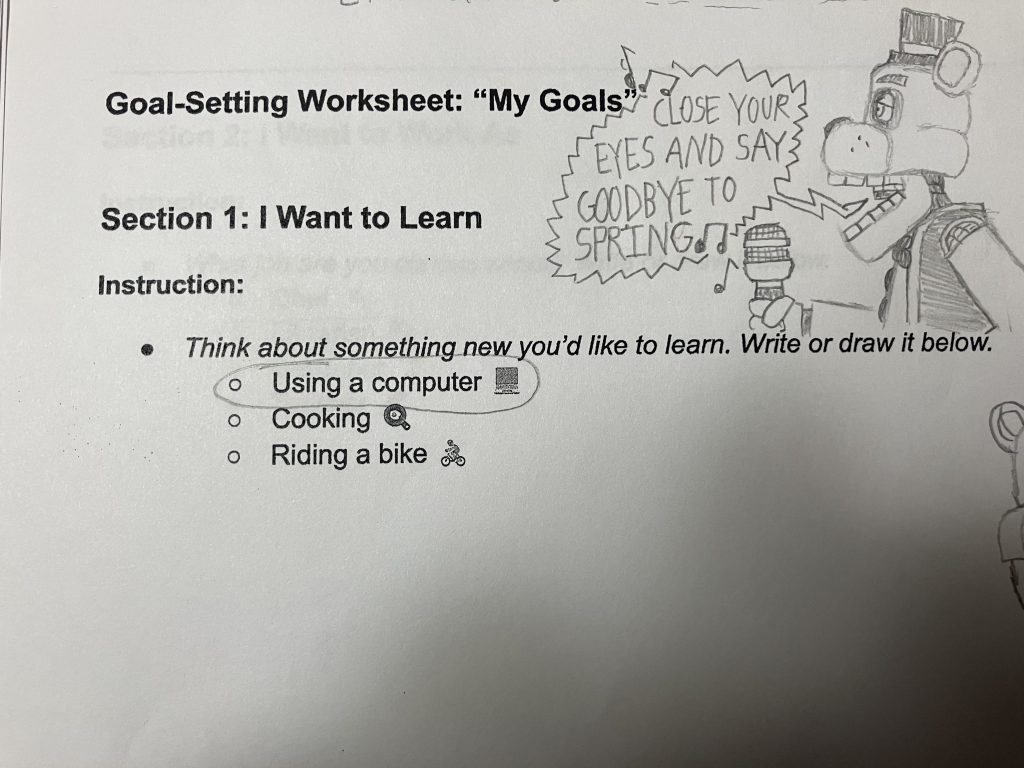
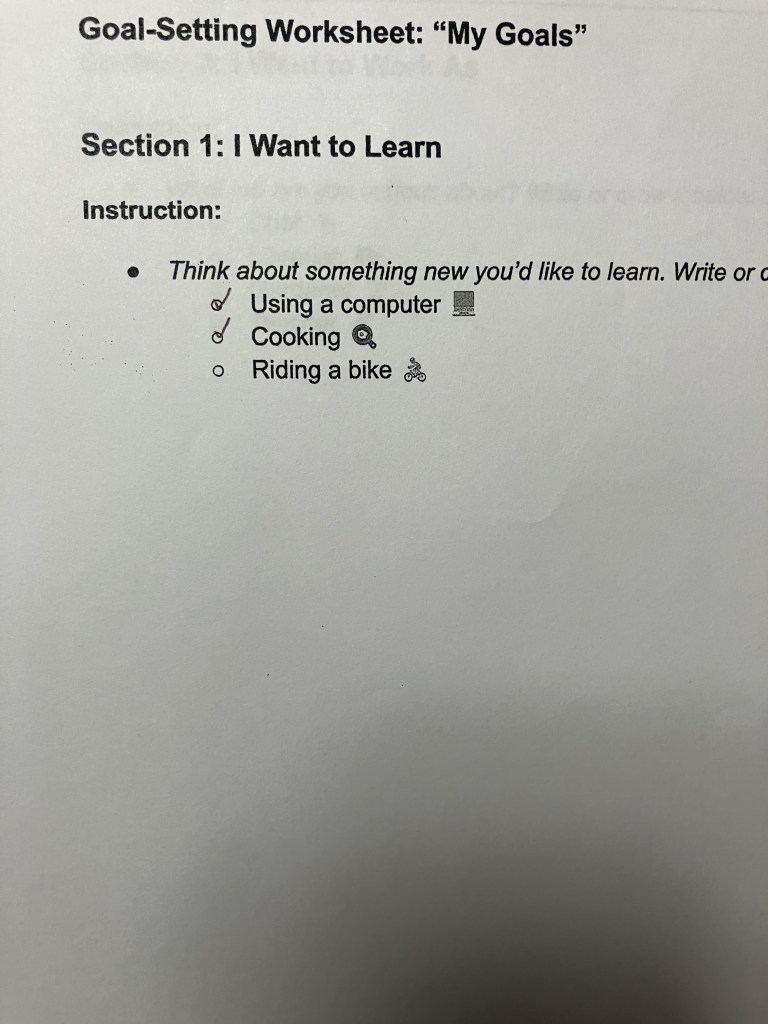
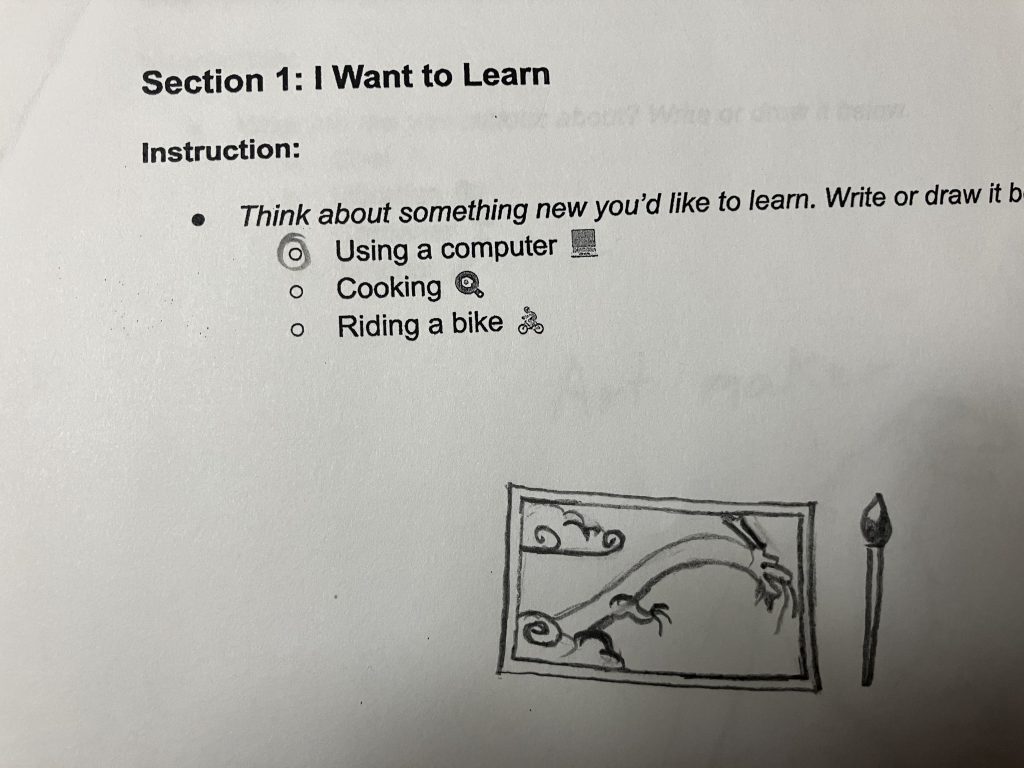
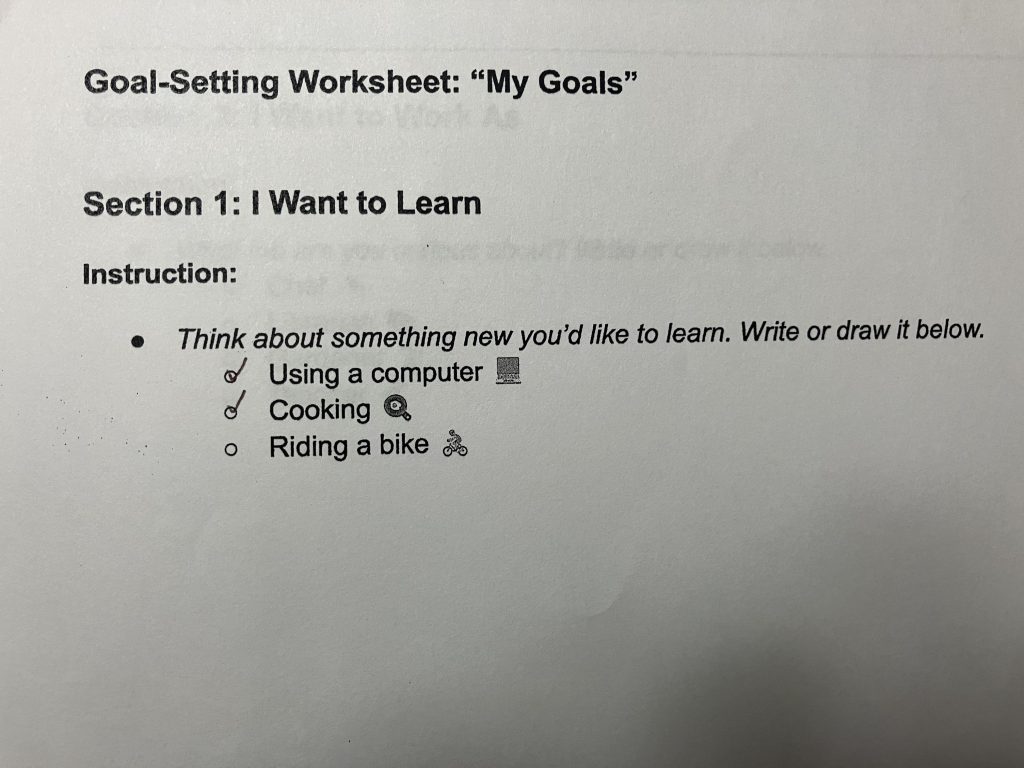
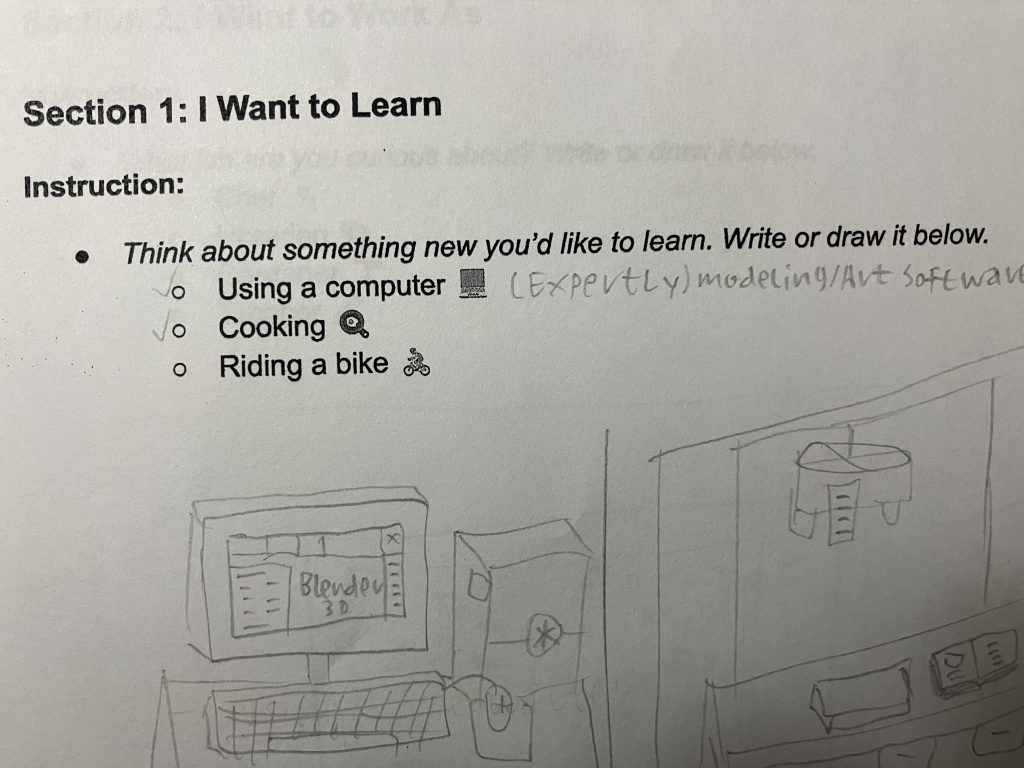
To make the worksheet more engaging, I added small emojis next to certain words, such as a computer emoji next to “computer skills” and a book next to “reading.” Five students interacted with the worksheet in different ways. Two checked off the words with emojis, one filled in the dot, and two circled their choices. That moment made me realize that UDL is not just about offering multiple options. It is about recognizing how students naturally engage with learning in ways we might not have anticipated.
Why Emojis Work in the Classroom
Since that day, I have intentionally incorporated emojis into most of my worksheets. Student engagement has increased, especially for those who struggle with traditional text-heavy materials. Students with IEPs, Autism, Down syndrome, and ADHD, as well as emerging readers and multilingual learners, have all benefited from this simple adjustment.
Several factors explain why emojis are a game changer.
✅ Multiple Means of Representation – Visual cues alongside text reinforce meaning for students who process information differently.
✅ Support for Emerging Readers and Multilingual Learners – A picture often communicates meaning faster than words, helping students bridge the gap between recognition and comprehension.
✅ Reduced Cognitive Load – Scanning a worksheet full of words can overwhelm students with ADHD or processing challenges. Emojis break up the text, making it more approachable.
✅ Encouragement of Self-Advocacy and Independence – When students can quickly identify and engage with content in an intuitive way, they are more likely to take ownership of their learning.
Expanding UDL with Emojis Beyond Worksheets
The success of this approach led me to explore other ways to integrate emojis into the learning environment. Classroom schedules, goal-setting trackers, and instructions can all be enhanced with visual cues. A checklist could feature a pencil emoji representing “Write a paragraph” and a stopwatch representing “Five-minute break.” These small touches improve accessibility for all students.
This shift in my teaching approach was not dictated by a professional development session or an educational theory book. It was inspired by my students. Their response to a small adjustment not only improved their learning experience but also changed how I think about designing materials for diverse learners. It’s a powerful reminder of the respect and empowerment that comes from learning from our students.
The Lesson: Keep Learning from Your Students
Listening to students reveals what works. Education does not follow a one-size-fits-all model; the most effective solutions are often the simplest. Emojis may seem minor, but they are a powerful tool for engagement, accessibility, and student success.
What small changes have you made that transformed your classroom? Let’s continue learning from one another and build a community of educators who are open to new ideas and eager to share their experiences.
 Thoughts Processed