
Meaningful family participation begins before the IEP meeting and continues through what happens afterward. From reviewing goals and questioning behavior assumptions to documenting requests and tracking follow-through, families need usable information and a clear way to influence the plan. This article connects those practical steps to the deeper work of accountability, equity, and family partnership.
Tag: Learning
From Systems Thinking to AURA: The Development of a Framework for Examining Special Education Practice
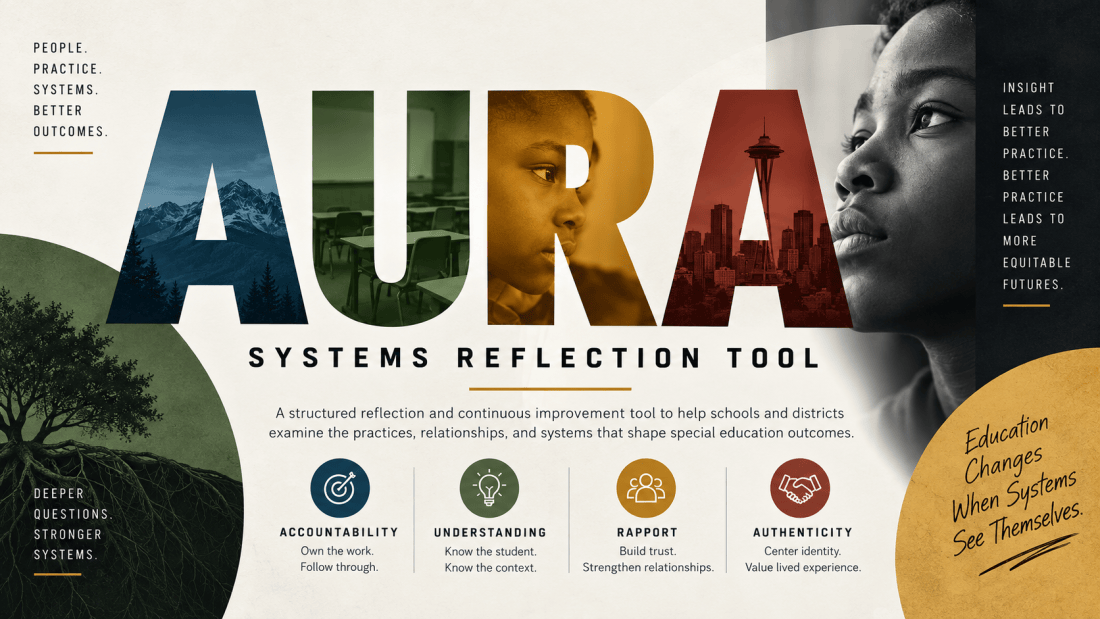
AURA grew from a much longer effort to understand why educational systems can know inequity exists, possess data demonstrating that it exists, publicly commit to addressing it, and still struggle to change the everyday practices and conditions producing those outcomes. My 2019 graduate school work documents the early systems thinking that would eventually develop into AURA.
From “Wait To Fail” To “Teach First”: Why Washington’s SLD Shift Matters For Our Kids
Washington is finally moving away from a model that labeled children off a test score gap and toward one that asks a simple question first: how were they taught. For students who were pushed into Special Education because of discipline, bias, or adult frustration, this shift is a chance to stop hiding harm inside an SLD label and start telling the truth with instructional data. Thoughts Cost has been calling for this since Covid, when it became obvious that you cannot call it a disability if a student never had a real shot at learning.
Turning Stories Into Proof: How To Make Narrative Count As Data In Schools
Narrative is not the soft side of education. It is evidence. It is the living pulse inside the data we claim to honor. When a student finally asks a peer for help, when a family sees independence taking root at home, when a young person takes a step forward that no scoreboard will ever measure, those moments are the data. The job is not to shrink stories to fit spreadsheets. The job is to structure the story so clearly, so precisely, so truthfully, that no one can deny its weight. Story becomes measurement. Observation becomes evidence. Growth becomes visible.
Tracking Gen-Ed Minutes as Inclusion Proof: Who We Believe Our Children Are
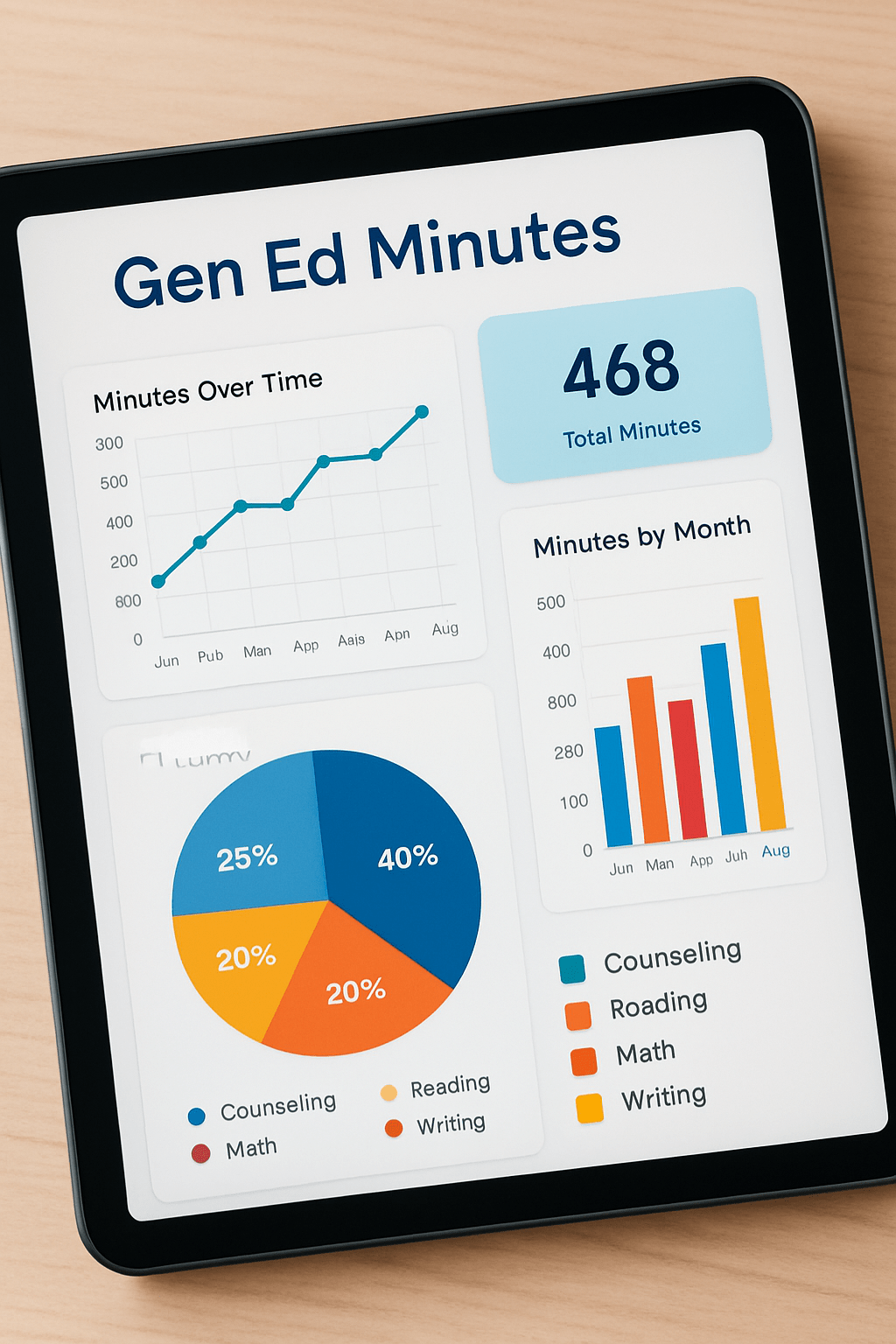
In every school building, there is a quiet arithmetic that tells the truth long before any mission statement does. It is not the language on the walls, not the slogans about excellence or equity. It is the simple count of where a child spends their minutes. Those minutes do not lie. They testify. For students with IEPs, general education minutes are not a small technical detail in a long document. They are a declaration of belief. They reveal whether a system sees a child as a full member of the learning community or as a visitor, escorted in and out of spaces where other children are presumed to belong by default. If we claim to believe in equity, then we must count the minutes where that equity is either practiced or denied. The minutes tell the story. Tracking them is how we decide to stop lying to ourselves about who our schools are truly built for.
Mentors Built Me, Now We Build Pathways
College and career go together. Use IEP transition planning to combine dual credit, Career and Technical Education, apprenticeships, paid work, and industry certifications. Add mentors from Black owned and community owned businesses, and from real workplaces like professional kitchens. Track completion rates, paid hours, and supervisor feedback with work based learning logs, then organize artifacts with a student Portfolio Checklist.
Make IEP Meetings Strategic
An Individualized Education Program meeting should run like a strategy session. Share the agenda early, review data together, write plain language goals, and leave with a 30 day plan that names actions, owners, and dates. Families walk out knowing exactly what happens next.
Rigor Is Love for Black Students With Disabilities
Rigor is love. Black students with disabilities deserve grade-level instruction, weekly wins, and tutoring that responds to real data. Lowered expectations protect adults. High expectations with support protect futures.
Rewriting the Narrative: Changing the Language of Special Education
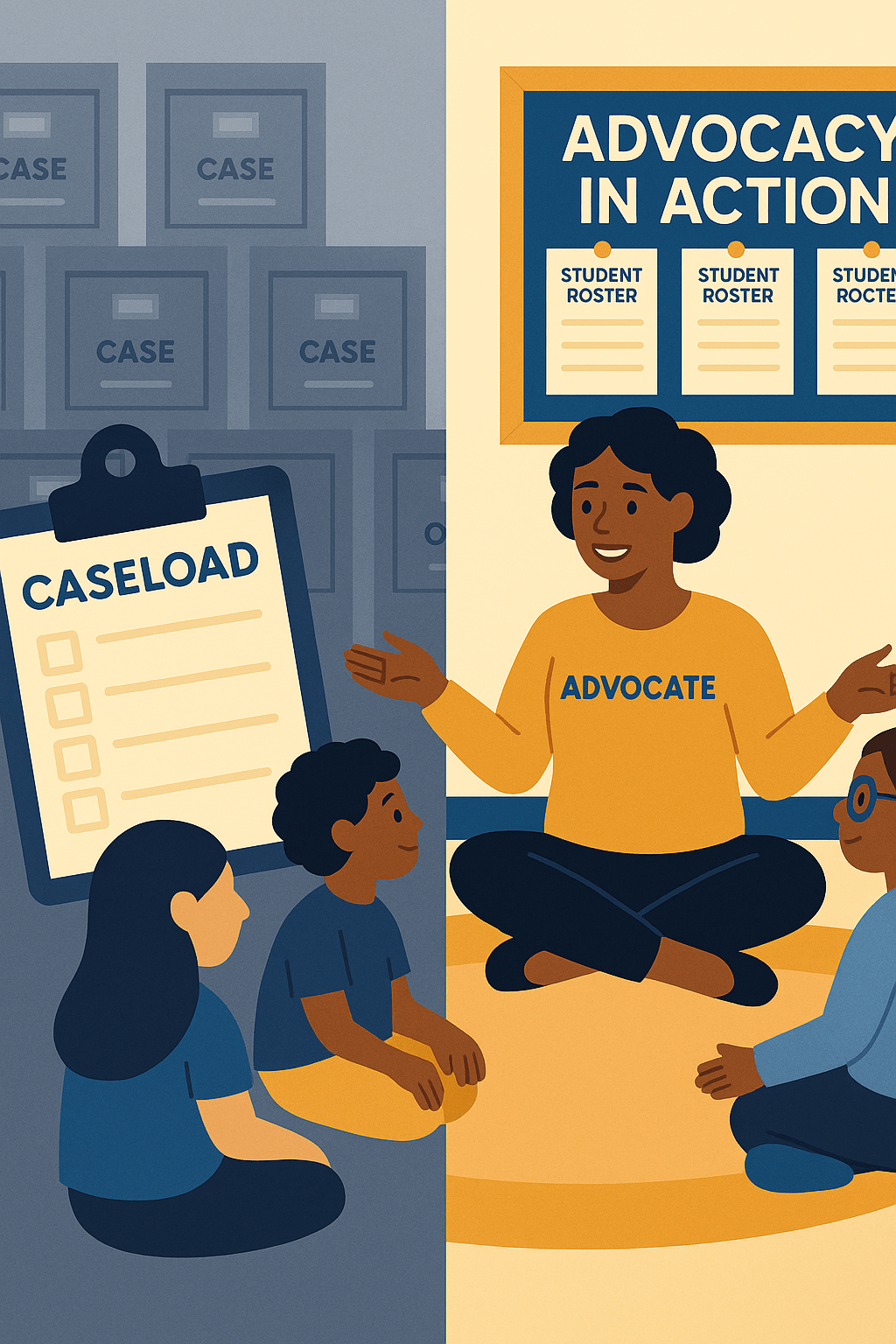
Language in Special Education is not neutral. Terms like “case manager” and “caseload” mirror the criminal justice system, not a learning community. This is a clear connection between SPED and carceral culture. I choose Advocate and Student Roster, because our students are people, not files. Change the language, change the culture.
When the Dream Costs More Than Money: VEqual, ReadEase, and the AI IEP Assistant
Over the past three years, I have invested one hundred seventy-five thousand dollars of my own money into building educational technology solutions designed to close gaps that harm students with disabilities. From VEqual, an immersive virtual school that began as a science lab, to ReadEase, an AI-powered reading tutor, to the AI IEP Assistant that helps teachers focus on delivering services rather than just writing plans, these tools were built to create real change. This is not a story of failure. This is a call for partners who believe in equity, inclusion, and innovation in special education.