
Over the past three years, I have invested one hundred seventy-five thousand dollars of my own resources into the development of educational technology solutions designed to support special education teachers and students. The work has not been about profit. It has been about addressing deep, systemic gaps that I have witnessed in our schools.
These solutions are VEqual, ReadEase, and the AI IEP Assistant.
VEqual originated from a need I observed repeatedly. Special education students often lose access to science instruction when schools prioritize scheduling Individualized Education Program (IEP) minutes. Science is one of the first subjects removed, despite its importance for engagement, critical thinking, and future opportunities. I also witnessed teachers using IEPs as justification to exclude students from general education settings. In some cases, students were removed from classrooms due to unfounded concerns that their presence was unsafe.
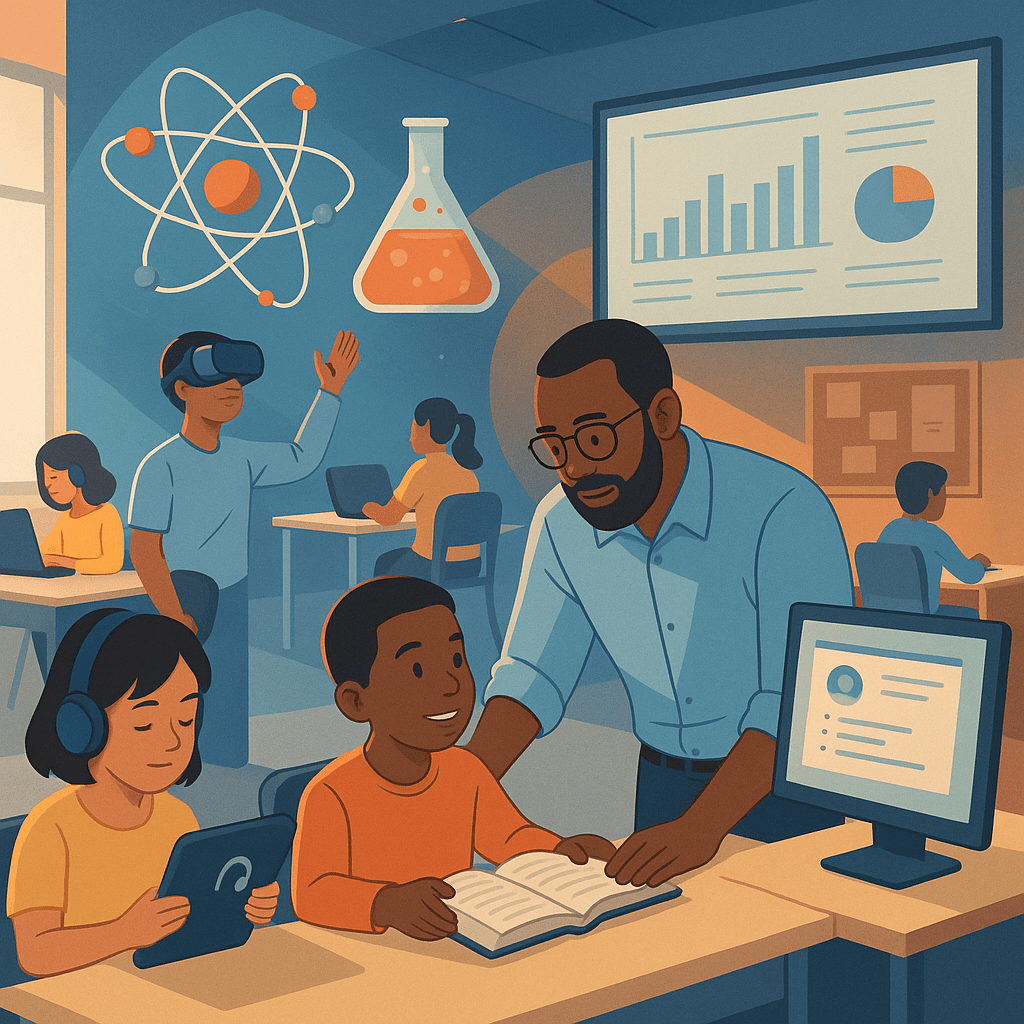
VEqual was initially designed as a virtual science lab to ensure that students with disabilities had access to high-quality, hands-on science learning. The idea evolved into a vision of an immersive virtual school environment. VEqual allows educators to build virtual subject-specific academies and ensures that students of all abilities can engage in inclusive, meaningful learning experiences.
ReadEase was developed to address the needs of students who struggle with reading. The tool uses AI to provide personalized support that helps build reading fluency, confidence, and comprehension.
The AI IEP Assistant is more than a tool for writing IEPs. It is designed to help special education teachers identify best practices, locate evidence-based strategies, and generate high-quality, data-informed goals. By collecting and analyzing relevant student data, the AI IEP Assistant offers guidance that extends beyond documentation. It is intended to help teachers shift their focus from writing plans to executing them, ensuring that students receive the interventions and supports they need to thrive.
After three years of development and personal investment, I have reached a point where additional support is necessary. The vision is clear. The mission is urgent. The tools are ready for the next phase.
This is not a request for charity. It is an invitation for partnership. I welcome collaboration with educators, funders, technologists, and advocates who share the commitment to making special education stronger, more inclusive, and more effective.
 Thoughts Processed