

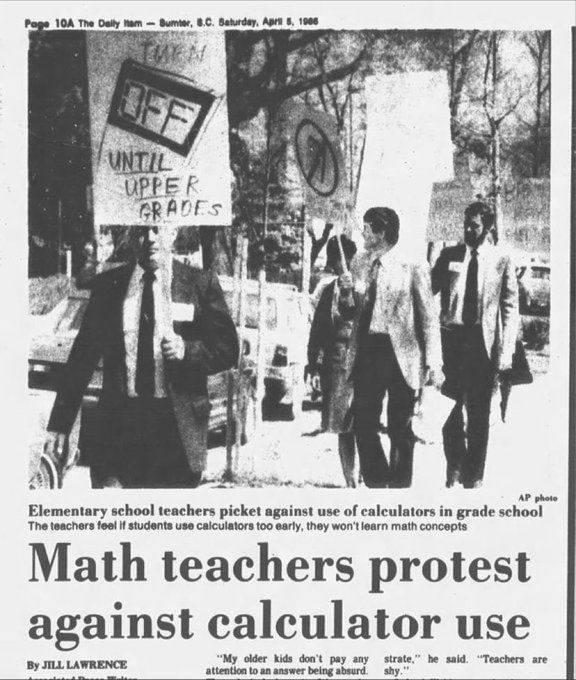
AI is not a passing fad. It is a workplace tool, a writing partner, a research accelerator, and a creative studio. Banning it widens the gap between students with at-home access and coaching, and students who rely on school to learn new literacies. Allow it, teach it, and hold students accountable for how they use it.
Core stance
- Yes, teachers should allow students to use ChatGPT or other AI tools that make sense. Do it with clear learning goals, explicit instruction, and accountability for process.
- Equity first. A ban privileges students who will use AI anyway at home. Structured access within the school ensures a fair playing field.
- Privacy always. Do not paste student names, grades, or sensitive details into public tools. Follow district policy, COPPA, FERPA, and local law.
What students should use it for
- Brainstorming, outlining, and idea expansion.
- Reading support: summaries, vocabulary previews, text at multiple reading levels.
- Feedback on clarity and organization before a human conference.
- Socratic questioning to test understanding.
- Study guides, retrieval practice, and worked examples in math and science.
- Language support for multilingual learners with back-translation checks.
- Code explanation and debugging with teacher oversight.
What students should not use it for
- Submitting AI-written final drafts or problem sets as their own work.
- Fabricating sources, quotes, data, or citations.
- Uploading any personal or peer information.
- Evading required readings, labs, or performance tasks.
Guardrails that make AI use teachable
- AI Use Declaration on every assignment
- Students indicate whether they used AI, specify the steps they took, and paste short excerpts of the prompts and responses.
- Process portfolio
- Keep drafts, prompt logs, and teacher feedback. Grade the process, not just the product.
- Fact-check requirement
- Any claim from AI must be verified with a credible source. Students attach the source.
- Oral defense or quick conference
- Two to five minutes per student or group. If you cannot explain it, you did not learn it.
- AI citation
- Example: “ChatGPT, prompt: ‘Explain meiosis at a 9th grade level,’ used for outline. Accessed Sept 2025.”
- Bias and quality checks
- Teach students to test for bias. Have them ask, “Whose perspective is missing, and how do I know?”
- No PII rule
- Never paste names, contact info, IEP details, grades, or health information.
Special education and accessibility
- Use AI to simplify directions, generate visual schedules, create social stories, and produce multiple reading levels of the same text.
- Offer immediate language scaffolds, step-by-step explanations, and alternative examples.
- Keep human decision-making central. Teachers and families set goals, AI supplies options.
Suggested age progression
- K–2: Teacher-only demonstrations on a shared screen. Students co-create questions aloud. Focus on curiosity, vocabulary, and digital citizenship. No student accounts.
- Grades 3–5: Guided small-group use with teacher-curated prompts inside a walled environment. Tasks: outline a paragraph, generate study questions, rewrite a passage at a chosen reading level, compare two explanations, and choose the clearer one.
- Grades 6–8: Limited independent use in class with tight guardrails. Teach prompt design, summarizing sources, bias checks, and math explanation. Require AI Use Declarations and short oral defenses.
- Grades 9–12: Regular independent use with accountability. Research planning, iterative drafts, code help, data explanations, and language support. Grade product and process. Require citations for AI contributions.
- College and career: Full use with discipline rules. Emphasize professional ethics, documentation, and verification.
Assignment designs that work
- Compare and improve: Students request two AI outlines, critique both, and submit a merged version with a rationale.
- Read, check, revise: AI produces a summary. Students verify claims with sources and annotate corrections.
- Tutor with receipts: Students ask AI to explain a problem, then solve a parallel problem without AI and show each step.
- Multi-voice writing: Draft with AI, then rewrite in the student’s own voice. Submit both, along with a reflection on your choices.
Assessment that resists copy-paste
- More in-class writing and conferences.
- Performance tasks, labs, and presentations with audience questions.
- Rubrics that reward drafting, revision, and verification.
- Frequent low-stakes checks for understanding.
Family and policy moves
- Share a one-page AI policy with families. Define allowed uses, boundaries, and privacy rules.
- Offer short videos showing what responsible use looks like.
- Align department rubrics and citations to ensure consistent expectations.
A 30-day rollout
- Week 1: Teach norms, privacy, and bias. Model two live prompts.
- Week 2: Run one guided activity in each class. Collect reflections.
- Week 3: Add AI Use Declarations and brief oral defenses.
- Week 4: Review student work, adjust guardrails, and publish the class AI policy.
Final thought
Schools either prepare students to use power responsibly, or they leave that power to chance. Teach AI with intention. Protect privacy. Reward honesty. Make thinking visible. That is how you turn a new tool into real learning.
 Thoughts Processed