


I believe in mentors because mentors built me. I was a grown man, fresh out of an injury-ridden basketball career, and I still needed people to open doors and tell me the truth with care. Christopher Sebastian Parker stood on the University of Washington campus and spoke with clarity and courage about Black politics. Hearing a Black man speak that freely shaped my voice. Marcus Harden helped me find my lane in education and reminded me to keep going. Stephen Schwartz offered opportunities and introduced me to people who pushed my creativity.
There was another chapter that mattered. Between basketball and the classroom, I worked professionally as a cook. Chef Kathy Hanken and Tracie Ross took me under their wing in those kitchens. They taught me precision, timing, teamwork, and pride in craft. Service teaches you to prep, execute, recover, and repeat. Those habits became the backbone of how I teach, lead, and build programs today.
ACE Academy, through CJ Dancer, Willie Seals, and Marcus Harden, again gave me chances the school district did not. Those experiences gave me confidence as a new teacher and a sense of direction as a leader. Young people deserve the same lift. That lift should not depend on luck. It should be built into how we serve students, including students who receive Special Education services. College and career are not rivals. They are partners that help students make real futures.
Start transition planning early in the Individualized Education Program (IEP). Include goals for education, employment, and independent living. Use the Present Levels of Academic Achievement and Functional Performance (PLAAFP) to identify strengths and needs, then design specially designed instruction (SDI) that teaches the skills the student will use on campus, on the job, and in the community.
Offer dual credit with support. Provide tutoring, note-taking accommodations, and testing adjustments so students can succeed in college-level courses. Expand Career and Technical Education, often called CTE, apprenticeships, paid internships, and industry-recognized certifications. Connect students with the state Vocational Rehabilitation agency for counseling, benefits planning, and job placement support. Use work-based learning logs to record hours, tasks, supervisor feedback, and safety credentials. Align schedules so IEP services and related services are delivered in full.
Measure completion, not just sign-ups. Track course pass rates, credits earned, certifications earned, apprenticeship hours, paid work hours, and successful transitions to college or employment. Share progress with families in plain language. Adjust placements when the match is off or when supports need to change.
Build equity into every step. Ensure Black students, multilingual learners, and students from low-income households receive access to dual credit, high-quality CTE, and paid work. Provide transportation, fee waivers, and interpreter services so the opportunity is real. Recruit mentors and supervisors from Black- and community-owned businesses so students see leadership that looks like them and understand their neighborhoods.
At ARISE, we make options visible with a game. Resume or Business Plan. Students pick one to start. We later added a College Essay. The message is simple. You have options. College is one option. Vocational training is one option. Starting a business is one option. We help students choose, plan, and execute, then we measure the results.
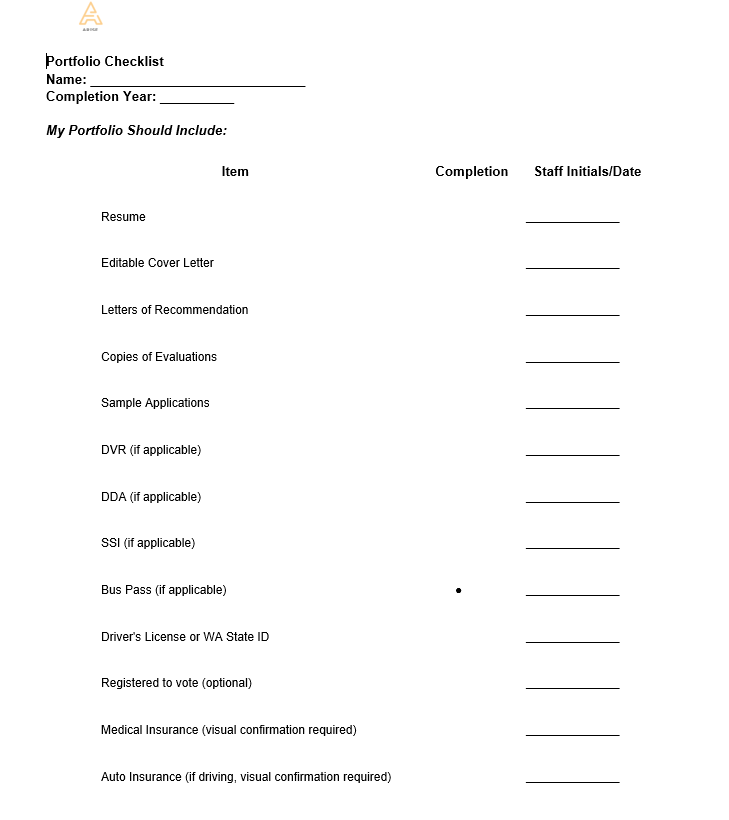
We keep students organized with a Portfolio Checklist that travels with them, resumes, cover letters, recommendations, copies of evaluations, Division of Vocational Rehabilitation, known as DVR, Developmental Disabilities Administration, known as DDA, Supplemental Security Income, known as SSI, identification, voter registration, health insurance, worker cards, bank accounts, and optional items like the Free Application for Federal Student Aid, known as FAFSA, a business license, and OSHA training. The checklist turns opportunity into steps, then turns steps into outcomes.
College and career are both. Mentorship and measurable steps make both real.
 Thoughts Processed