Preparing for the Impact on Special Education Funding in Washington State and Nationwide

The potential defunding of the U.S. Department of Education threatens special education nationwide. Cuts to IDEA and Title I funding could reduce resources, undermining Universal Design for Learning (UDL) and Culturally Responsive Teaching. States like Washington may rely on agencies like DSHS to fill gaps, but advocacy and alternative funding are crucial to protecting equitable education access.

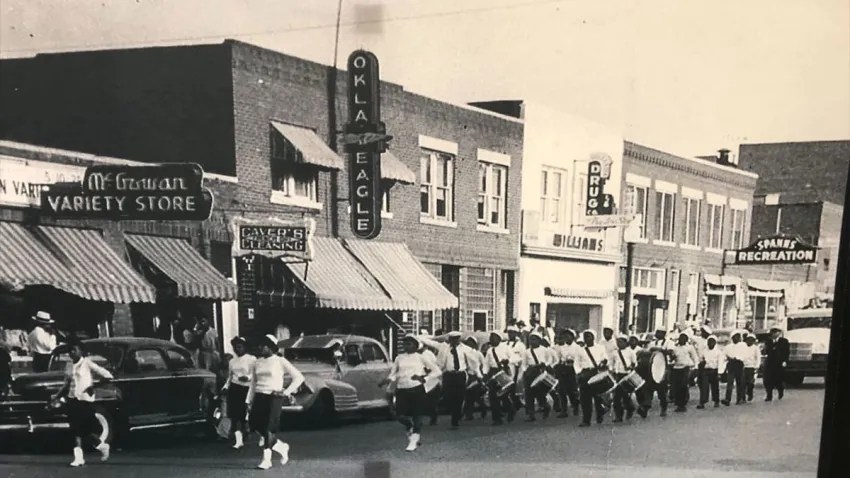
Beyond Tulsa: The Black Wall Streets America Tried to Erase

Erased from history, The systematic destruction of Black wealth, White terrorism and economic sabotage, Black economic power under attack, Thriving Black towns across America, The untold history of Black Wall Streets, Black prosperity stolen, Government-sanctioned racism, Urban renewal as a weapon, Highways through Black communities, Economic warfare against Black businesses, Massacres and land theft, The legacy of Black economic independence, White America’s war on Black success, The racial wealth gap is by design, Black Wall Streets beyond Tulsa, The hidden history of Black affluence, Black excellence erased, The fight for reparations, White mobs burned Black towns, Black financial independence targeted, What America refuses to teach, Why Black prosperity was dismantled, Black towns were more than Tulsa, The lasting impact of economic racism, Economic violence against Black America, How white America destroyed Black wealth.

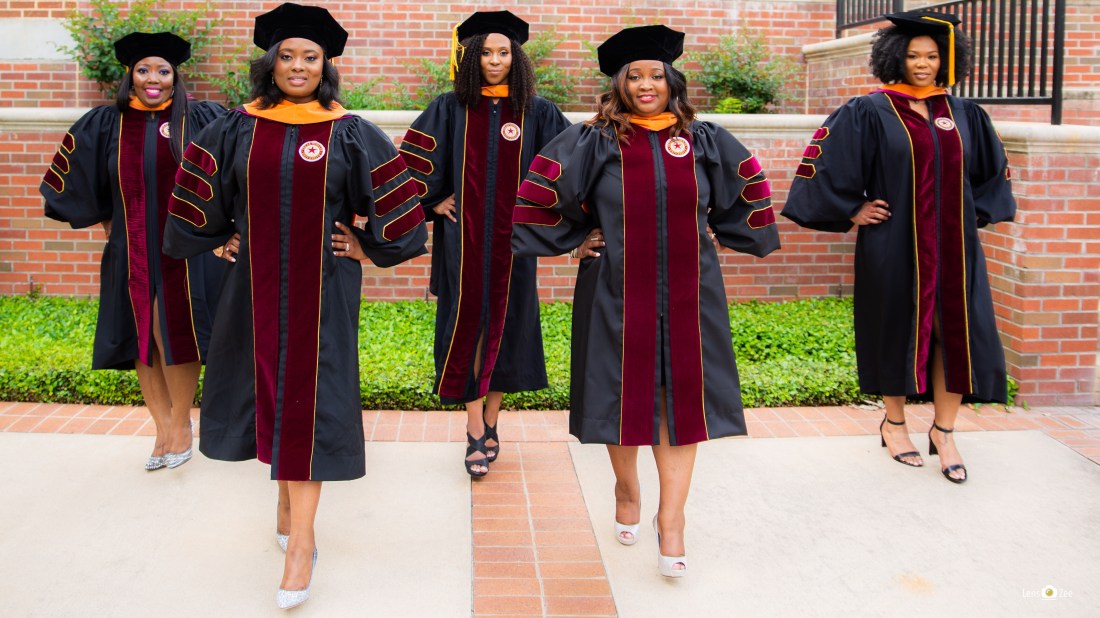
The Unseen Weight: Black Women, DEI, and the Quiet Call for Recognition

Black women, DEI backlash, Diversity Equity and Inclusion, Black excellence, Black women in education, Black women in leadership, systemic racism, affirmative action, white women and DEI, labor history, Black success, racial discrimination, Kamala Harris, merit vs. DEI, Black women in the workforce, educational attainment, media bias, Black resilience, historical labor trends, corporate diversity, Black professionals

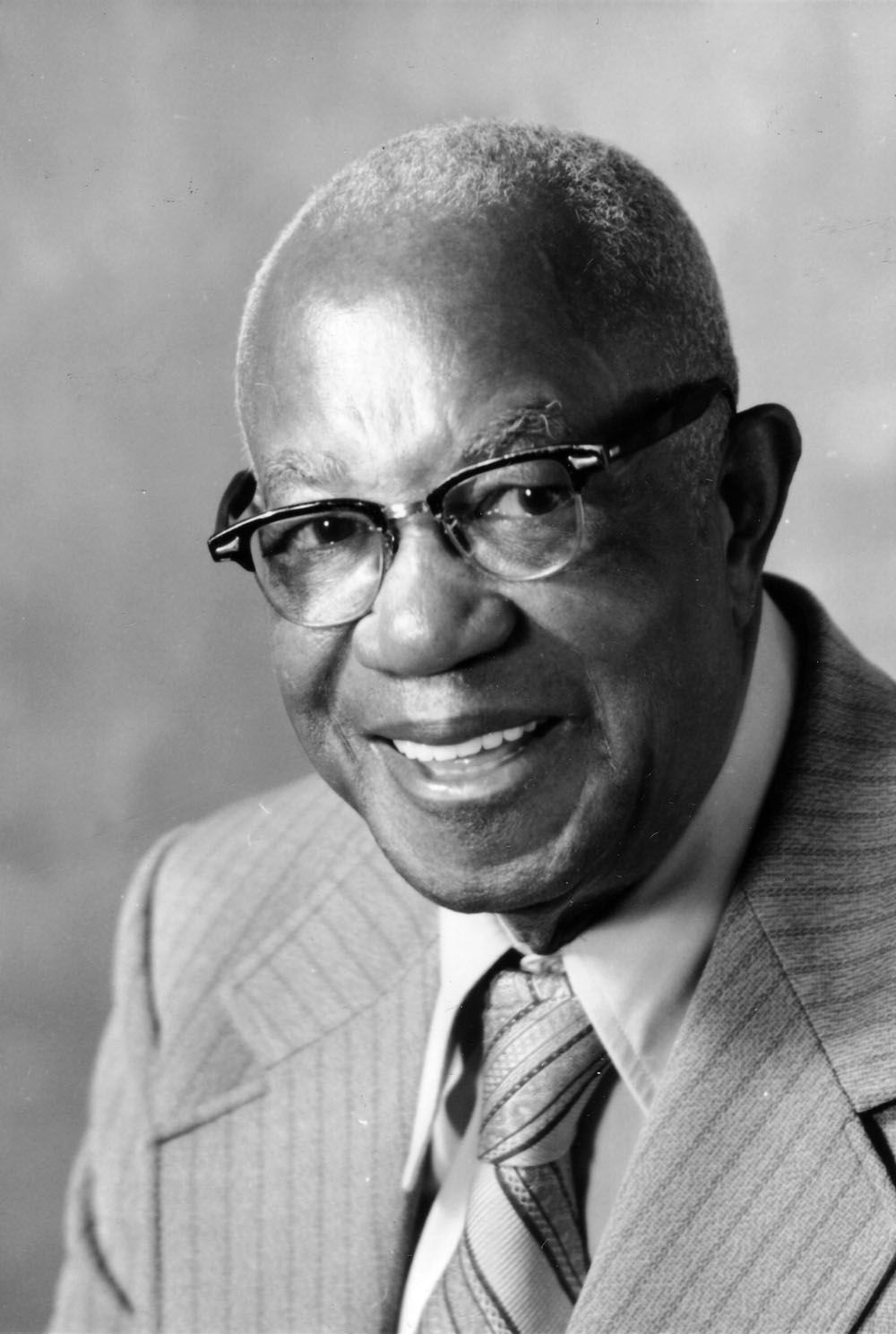
A.G. Gaston: The Power of Black Wealth and the Divide in Black Liberation

A.G. Gaston believed that Black economic power was the path to true liberation. He saw wealth as the key to breaking the cycle of oppression. He built institutions that served Black people in an era where few others did. His success proved that Black communities could create their own wealth, their own businesses, and their own economies. His life laid out a blueprint for financial independence, proving that ownership was not just about money but about power, survival, and dignity.

The Myth of the Square: Why We Need to Rethink What We Respect

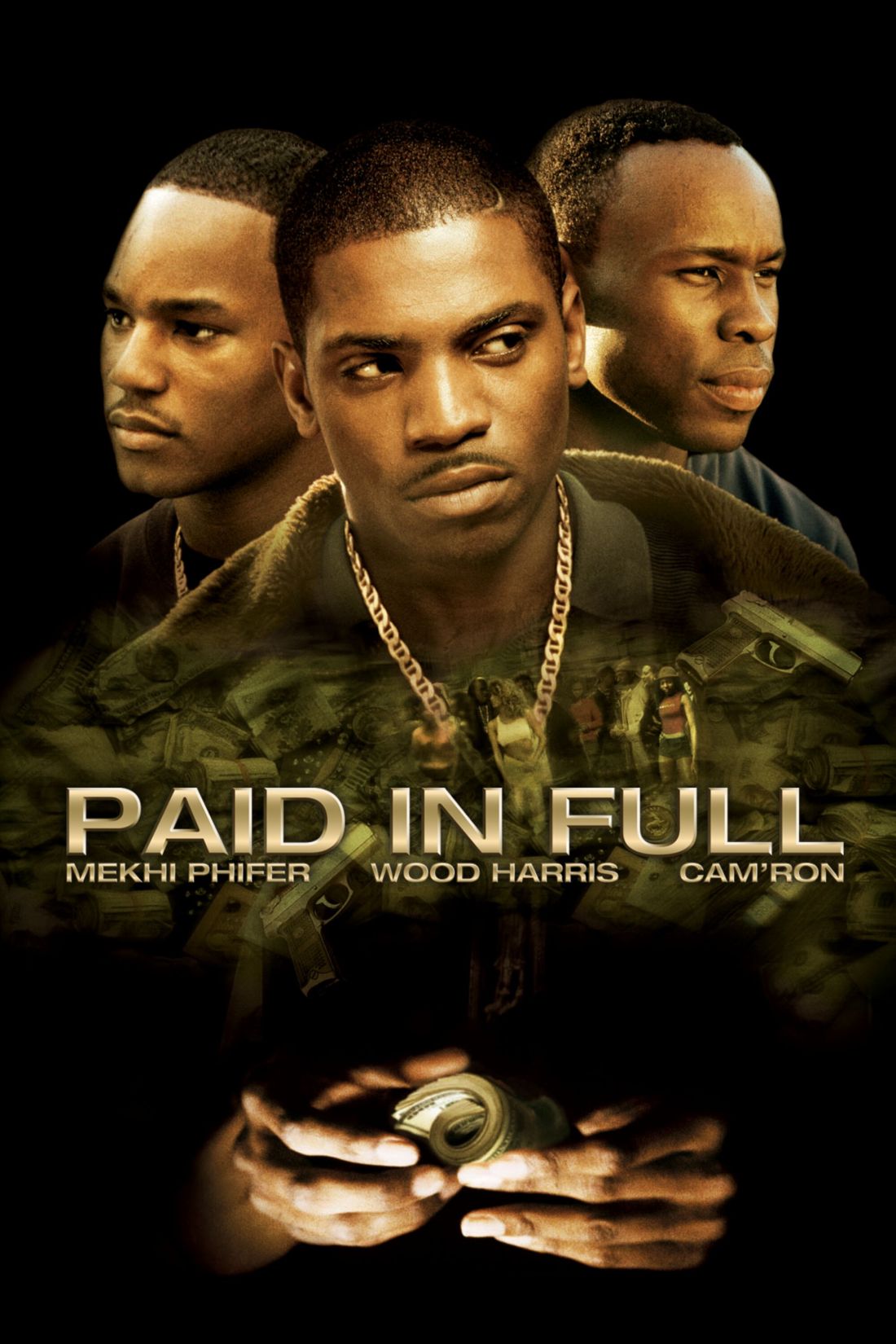
New Jack City, Menace II Society, Paid in Full, and The Wire were more than just entertainment; they were mirrors reflecting the harsh realities of urban life. These narratives showcased the allure of fast money and power but also laid bare the devastating consequences that accompanied such pursuits. Characters like Nino Brown, O-Dog, and Avon Barksdale were crafted not as heroes to be emulated but as cautionary figures, embodying the perils of the drug trade and street life. Over time, a shift occurred in the cultural perception of these characters. Instead of heeding the warnings embedded in their stories, many began to idolize these figures, focusing on their charisma and apparent success while overlooking their downfalls. The glorification of these narratives often celebrates the superficial aspects of these characters, neglecting the profound lessons their stories were meant to impart.

Cultivating Excellence: Rethinking Culture and Opportunity in Black America

Black American culture, forged in the fires of resilience, has given the world immeasurable gifts: jazz, hip-hop, the civil rights movement, and countless innovations in art, literature, and science. Yet within this brilliance lies a dichotomy. The glorification of success often becomes tied to entertainment and athletics, eclipsing the quieter triumphs of engineers, scientists, and mathematicians.

Four Years of Thoughts Cost: A Journey from One Student to Statewide Impact

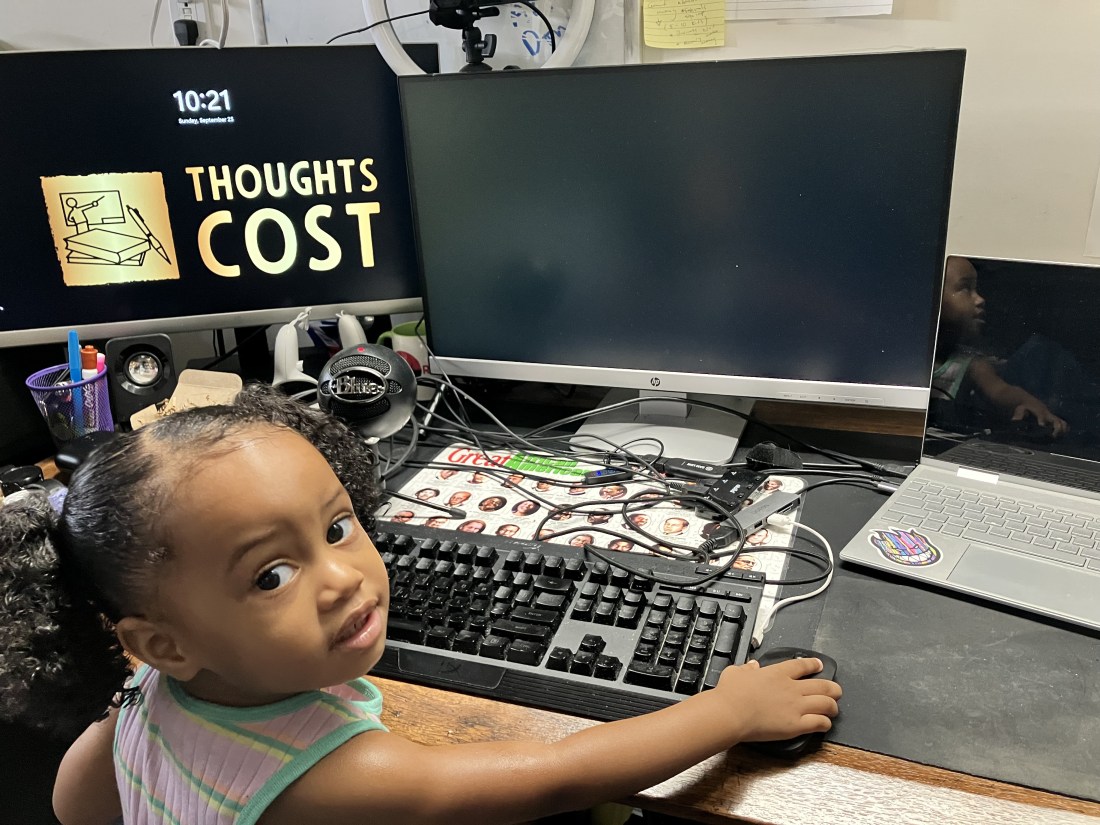
Tomorrow marks four years since Thoughts Cost began with one student and a mission to create meaningful change during the uncertainty of the pandemic. From humble beginnings with no plan or income, we have grown into a movement that builds programs, develops EdTech tools, and secures state-level contracts to empower students, families, and educators. This journey has been defined by resilience, creativity, and a commitment to equity and inclusion.

The Double Standard of Justice: TD Bank’s Crimes and the Unfairness of America’s Legal System

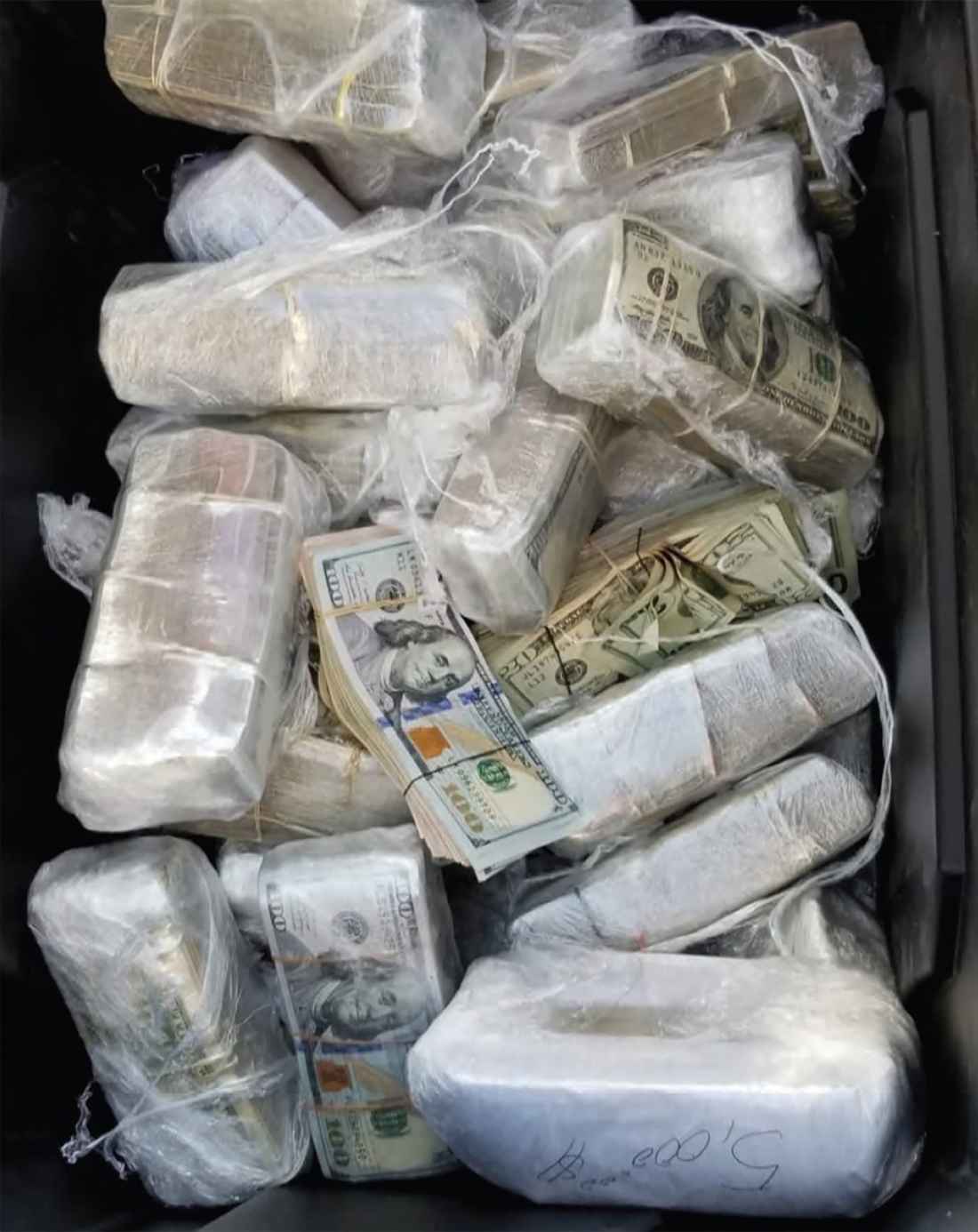
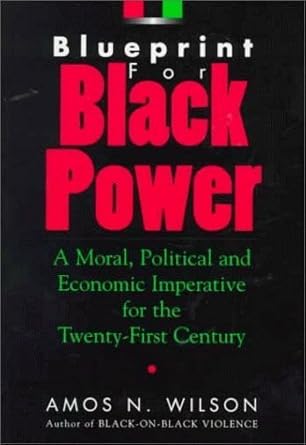
The recent settlement involving TD Bank, where the institution paid over $3 billion to avoid prison time for laundering hundreds of millions tied to drug trafficking, exposes the glaring double standard in America’s justice system. While individuals in Black and Brown communities are incarcerated for far smaller drug-related crimes, TD Bank executives walk away with fines and no jail time. This disparity highlights how corporations are shielded from the consequences that ordinary people face and points to the need for education and financial literacy in our communities, as Dr. Amos Wilson emphasized, to avoid the systemic exploitation that traps so many.

Economic Empowerment for the Black Community: Lessons from H Mart and Uwajimaya

The Black community can gain economic empowerment by building grocery chains similar to H Mart and Uwajimaya, which have successfully combined business with cultural preservation. Drawing on Dr. Amos Wilson’s ideas from Blueprint for Black Power, we must take control of industries that serve our communities and keep wealth circulating within them. This could lead to greater economic independence, job creation, and a renewed sense of community for Black Americans.

The State of Special Education in Washington: A 2024 Overview

Culturally responsive practices are often integrated only at a surface level in special education. Brief professional development sessions leave educators with an incomplete understanding, which is insufficient to address the complex needs of students from marginalized communities. Without deeper systemic changes, these efforts risk being more performative than impactful.