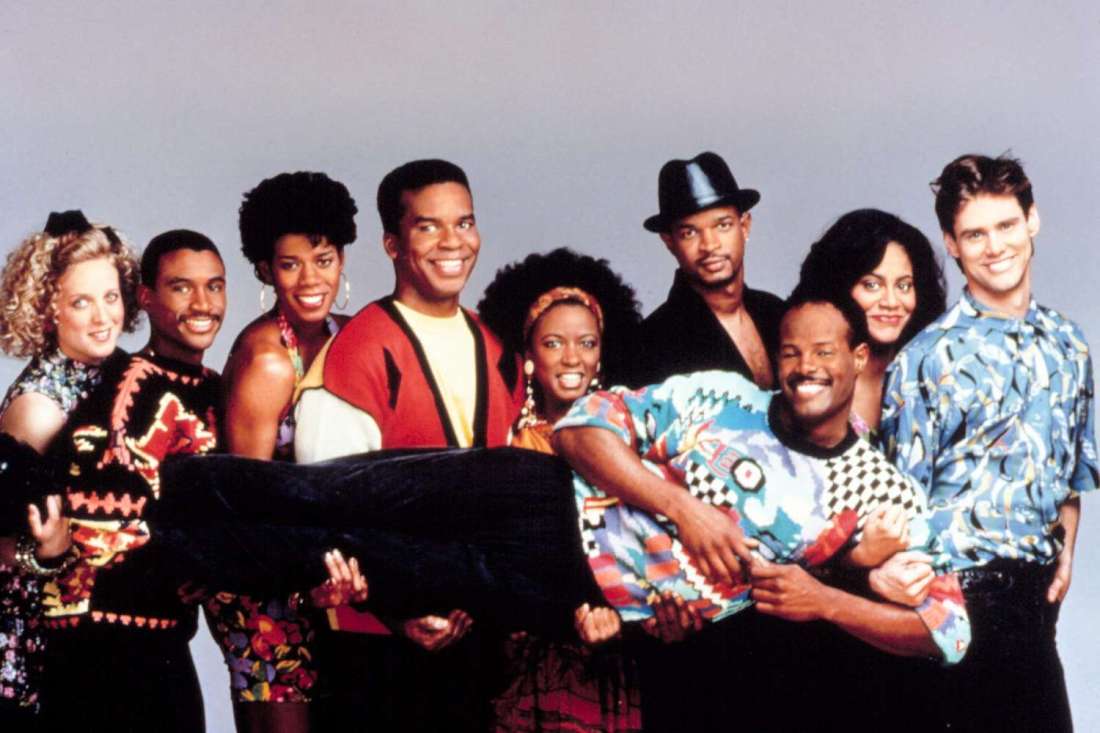
The Wayans Family: A Legacy of Satire and Reclaiming Black Identity

he Wayans family’s use of satire was not just about laughs, it was about reclaiming Black identity from limiting stereotypes. Keenan and Damon challenged the idea of being the "safe" Black man, while Marlon and Shawn refused to fit into any mold at all. Together, they showed that true representation is not about conforming to someone else’s expectations but about being fully authentic.

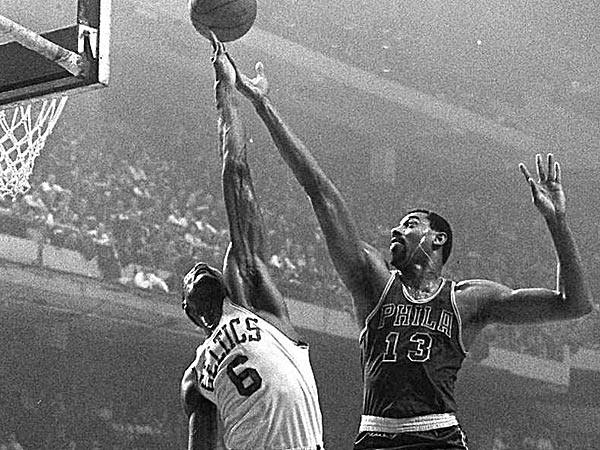
Discrediting The Greatness Of Wilt and Russell? Let’s Expose the Absurdity of Such Claims

Discrediting Wilt Chamberlain and Bill Russell because the league was only 20% Black is ignorant. These men were pioneers, enduring racism, death threats, and media attacks while dominating the NBA. Clyde Frazier has spoken about the racism Black players endured well into the 1980s. Today’s NBA, where players stay at luxury resorts, exists because Wilt, Russell, and others fought for dignity and equality. The NBA is 80% Black because of their efforts, on and off the court. Respect your elders. The game would not be what it is today without them.

The State of Special Education in Washington: A 2024 Overview

Culturally responsive practices are often integrated only at a surface level in special education. Brief professional development sessions leave educators with an incomplete understanding, which is insufficient to address the complex needs of students from marginalized communities. Without deeper systemic changes, these efforts risk being more performative than impactful.

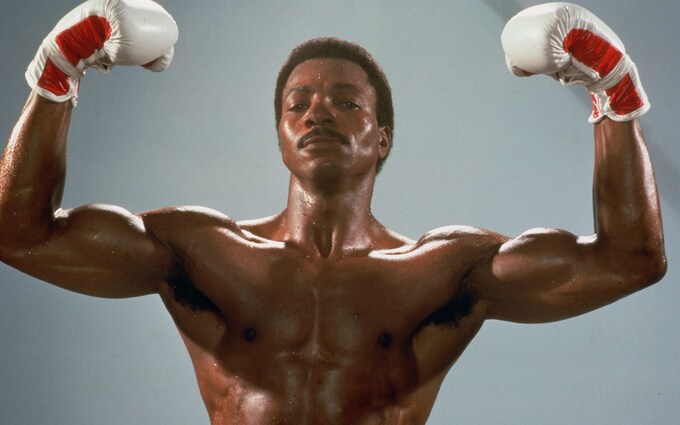
The Enduring Legacy of Carl Weathers: More Than Just an Action Hero

As we mourn his passing, we also celebrate the impact Carl Weathers had on our lives and on the culture. For many of us born in the early '80s and beyond, he was a figure of Black manhood that defied stereotypes and expectations. In a world where we were searching for heroes who looked like us, Carl Weathers stood tall, a true champion both on and off the screen. His legacy will continue to inspire, reminding us of the strength, dignity, and excellence that define us.

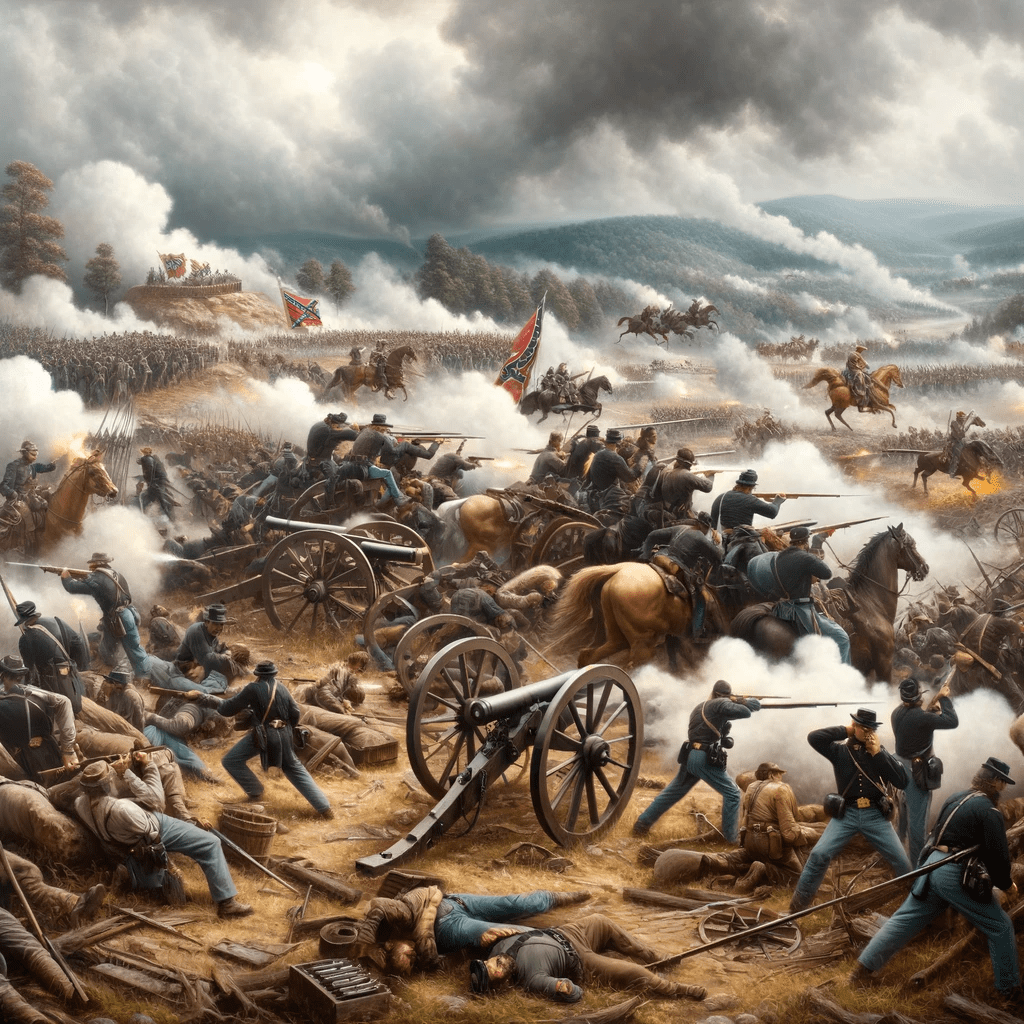
Revisiting the Roots of the Civil War: A Letter to Ambassador Nikki Haley

In this open letter to Ambassador Nikki Haley, the complex causes of the Civil War are explored beyond the traditional narrative of states' rights. It emphasizes the integral role of slavery, particularly its racial underpinnings, in sparking this defining conflict in American history. The letter urges a more comprehensive understanding of the Civil War, recognizing the neglect of slavery's impact and the influence of white supremacist views on such limited interpretations of history.

Umar Johnson Calls Out Vanessa Bryant: Wealth & Community Debate Ignites

In a recent development, Umar Johnson's critique of Vanessa Bryant's use of Kobe Bryant's wealth raises crucial questions about philanthropy and community support. This controversy has ignited a broader debate on the responsibility of the affluent in uplifting underprivileged communities. The discourse extends beyond individual actions, probing deeper into systemic issues of wealth distribution and educational equity. It's a moment that calls for introspection and action in the realm of community investment and empowerment.

Navigating the Crossroads of Allegiance

In the early 1990s, a young Black child, growing up in a family deeply aware of America's fraught racial history, was taught an invaluable lesson by his parents: the power of protest. This lesson came at a time when the Pledge of Allegiance was a daily ritual in schools, a symbol of national unity. My … Continue reading Navigating the Crossroads of Allegiance

Affirmative Action, Academic Performance, and Understanding Potential: A Personal Journey

Academic performance, often measured by grades and test scores, may not truly encapsulate an individual's potential. My personal journey from athletic admission to graduate school, navigating racial representation and affirmative action, proves this. Despite initial low grades, my later achievement of the Dean's list shows that dedication, non-academic skills, and addressing socioeconomic factors can transform academic success. As the only Black person in my cohort, I recognized affirmative action's role in combating institutional racism, while also highlighting individual merit. Conversations around academic ability must extend beyond race and acknowledge the multifaceted nature of potential.

Redefining the Impact of White Individuals on Social Constructs

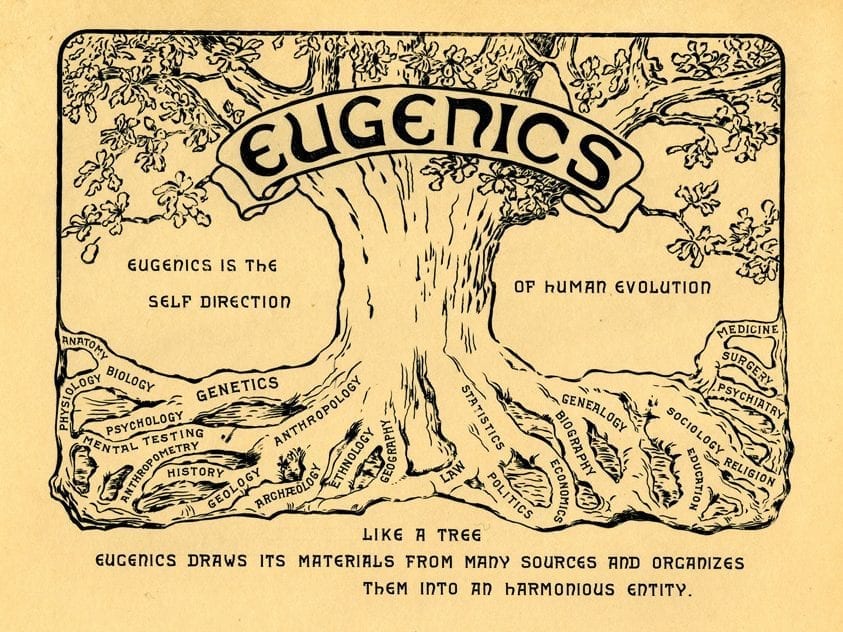
In the vast tapestry of our world, the influence of social constructs and their impact on society looms large. Throughout history, certain social constructs have been erected and dismantled, often with white individuals at the forefront. This blog aims to delve deep into this intricate realm, shedding light on the instances where white individuals have wielded significant influence in shaping social constructs. It is an exploration of the intersection where gender and race converge, unraveling the intricate dynamics of power, privilege, racism, and equality. One cannot deny the indelible mark left by white individuals on social constructs. Take Carl Linnaeus, the renowned Swedish botanist, for example. His meticulous classification of humanity into racial groups birthed the abhorrent concept of scientific racism, perpetuating racial hierarchies and providing a foundation for discriminatory practices. Similarly, the eugenics movement, though not exclusive to white individuals, found acceptance in Western societies, resulting in forced sterilizations and systemic discrimination against marginalized communities. History tells tales of white figures who exploited their positions of power to perpetuate and justify racial oppression. These instances expose the troubling truth that social constructs can be wielded as weapons, enforcing inequality and sowing suffering. Such realities prompt us to examine the complex relationship between race and gender, where intersecting identities shape experiences, opportunities, and privileges. However, there is a pressing concern to be addressed—an impregnable shield created by gender that deflects conversations about racism and equality. Power dynamics and privilege influence perspectives, hindering a comprehensive understanding of the lived realities of marginalized racial groups. By unmasking this veil and scrutinizing these dynamics without hesitation, we can reveal the trials faced by diverse communities, paving the way toward a more inclusive society. The path to progress lies in embracing intersectionality—the convergence of gender and race. By confronting the distinct struggles experienced by different communities, we can dismantle oppressive social constructs. This endeavor requires the active engagement of individuals of all races, as unity is the key to forging a future steeped in equity and justice. In conclusion, the influence of white individuals on social constructs throughout history cannot be overlooked. Understanding this impact and its intersections with gender and race is crucial in dismantling oppressive systems and striving for a more inclusive and just society. By examining our past, addressing present issues, and actively working toward a better future, we redefine the role of white individuals in shaping social constructs, ultimately paving the way for a more equitable world.

Unveiling the Dark Past: Forced Sterilization and Castration – A Haunting Chapter in History

In the shadows of our history lie stories so chilling, so grotesque, that they haunt our collective memory. Forced sterilization and castration, once hidden from the public eye, emerge as macabre chapters in the annals of power and control. These atrocities, driven by deeply ingrained prejudices and fueled by white supremacist ideologies, left indelible scars on the lives of marginalized communities. Imagine a world where individuals, solely based on their race or perceived undesirability, were robbed of their ability to bear children. The very essence of reproductive autonomy torn asunder, generations of Indigenous and melanated women were subjected to this grave violation. Their bodies, once a symbol of life and resilience, were subjected to the whims of those who sought to manipulate the genetic fabric of society. And the cries of injustice, muted by a complicit system, echoed through the corridors of time. But it was not only women who bore the brunt of this abomination. Black men, their bodies already burdened by the weight of oppression, faced an even more insidious fate. Castration, an act of unspeakable violence, sought to emasculate them, stripping away their agency and reducing them to objects of domination. This calculated assault on their humanity was designed to reinforce a social order built on the subjugation of black bodies. As we grapple with the horrors of this past, we are confronted with difficult questions. Why have these atrocities been shrouded in silence? Why has the truth been relegated to the fringes of our historical narrative? The answers lie in a systemic erasure, a deliberate act to conceal the sins of the past and perpetuate a distorted reality. To confront this dark chapter head-on is to unveil the truth, no matter how painful it may be. It is an act of remembrance, a solemn commitment to honor the victims and acknowledge the depths of human depravity. By bringing these stories to light, we reclaim their voices and ensure that the atrocities they endured will not be forgotten. In the face of this haunting history, we must bear witness and seek justice. We must learn from the past to forge a future where such atrocities are never repeated. The journey towards healing and reconciliation begins with acknowledging the darkness within our own narratives and working tirelessly to dismantle the structures that allowed these horrors to unfold. May the echoes of the past guide us towards a more just and compassionate society, where the dignity and autonomy of every individual are upheld, and the shadows of forced sterilization and castration are forever banished from our collective consciousness.