
Meaningful family participation begins before the IEP meeting and continues through what happens afterward. From reviewing goals and questioning behavior assumptions to documenting requests and tracking follow-through, families need usable information and a clear way to influence the plan. This article connects those practical steps to the deeper work of accountability, equity, and family partnership.
Tag: Black students with disabilities
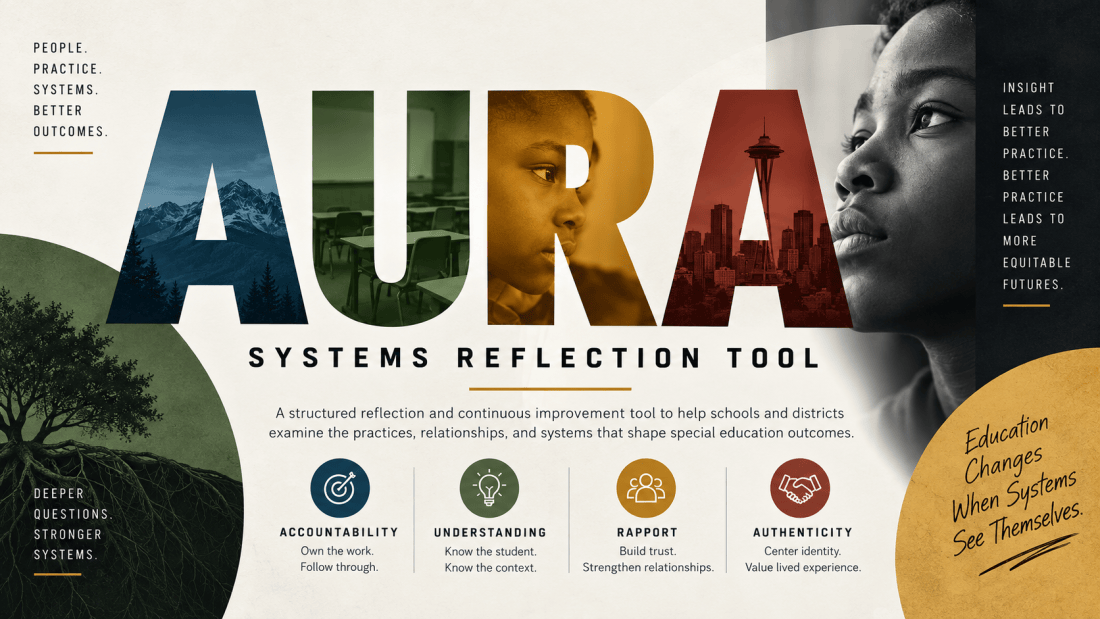
From Systems Thinking to AURA: The Development of a Framework for Examining Special Education Practice
AURA grew from a much longer effort to understand why educational systems can know inequity exists, possess data demonstrating that it exists, publicly commit to addressing it, and still struggle to change the everyday practices and conditions producing those outcomes. My 2019 graduate school work documents the early systems thinking that would eventually develop into AURA.
Extending Special Education To 22: Time, Dignity, And The Work We Choose To Do With Both
Washington extended special education eligibility so students can now receive services through the end of the school year in which they turn 22. That extra year is not a formality. It is a second chance to get transition right. If we treat it like storage, nothing changes. If we treat it like launch, we can use this time to build real adult lives, with real community connections, for students who have been surviving school instead of benefiting from it.
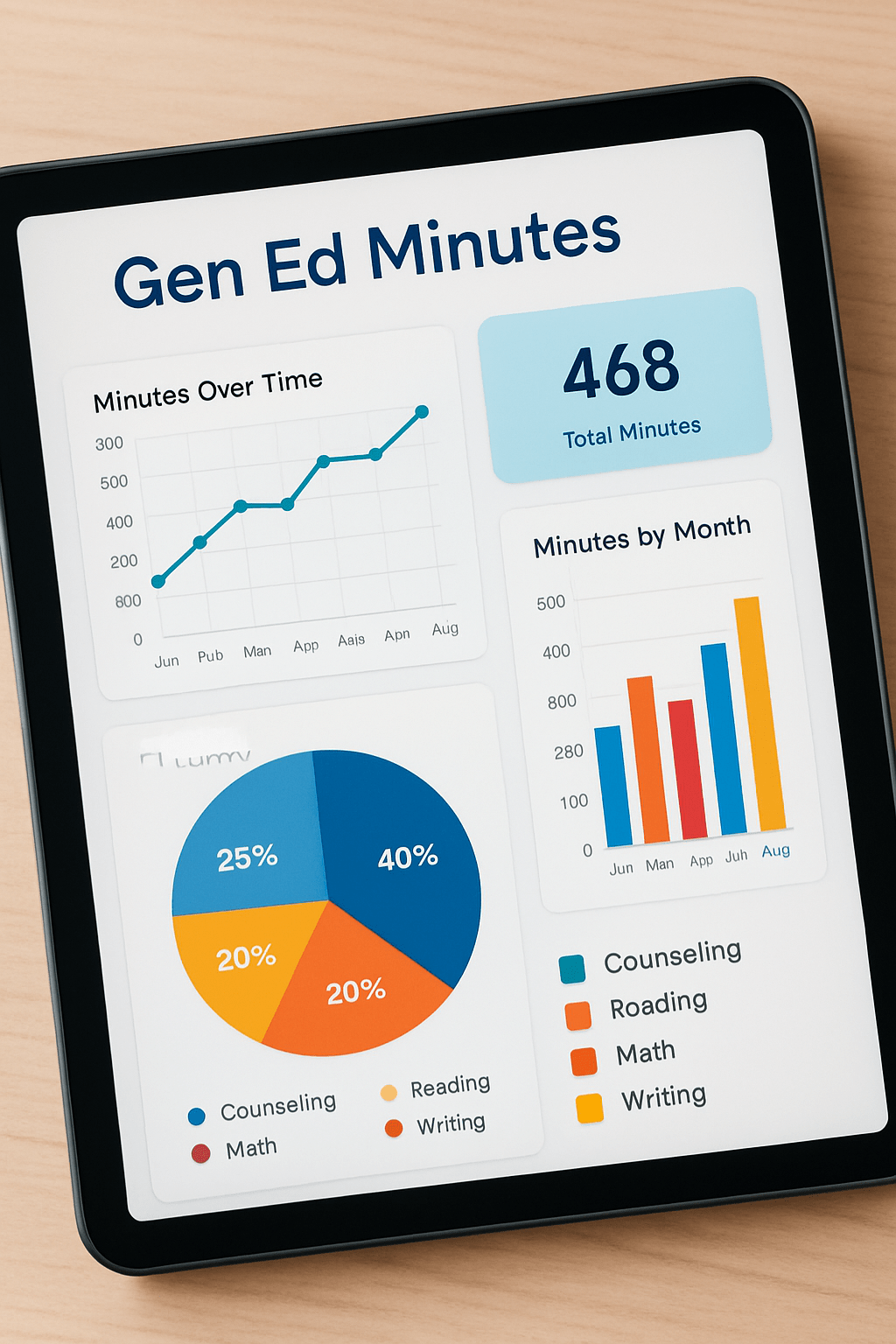
Tracking Gen-Ed Minutes as Inclusion Proof: Who We Believe Our Children Are
In every school building, there is a quiet arithmetic that tells the truth long before any mission statement does. It is not the language on the walls, not the slogans about excellence or equity. It is the simple count of where a child spends their minutes. Those minutes do not lie. They testify. For students with IEPs, general education minutes are not a small technical detail in a long document. They are a declaration of belief. They reveal whether a system sees a child as a full member of the learning community or as a visitor, escorted in and out of spaces where other children are presumed to belong by default. If we claim to believe in equity, then we must count the minutes where that equity is either practiced or denied. The minutes tell the story. Tracking them is how we decide to stop lying to ourselves about who our schools are truly built for.